
Reviews By Age Group
Between kindergarten and middle school, kids go from needing help with shoelaces to running their own projects. Gear for school-age kids shifts toward tools for independence: a bike that fits, sports equipment for real leagues, a place to do homework and, eventually, a first device. Your role moves from choosing everything to helping them choose well.
Ask a Dad
Reach out and we’ll connect you with an experienced father or point you to the right next step.
Send a MessageKids this age grow through bikes quickly. Size by inseam and fit, not age or wheel size alone; your child should be able to stand over the frame and reach the brakes easily. Helmets still go on every ride. As they ride farther, add lights and teach road rules. Ride the route to school or a friend’s house together a few times before letting them go alone, pointing out driveways, blind corners and where to cross.
For organized sports, start with what the league requires and borrow or buy used until you know the commitment is real. The sports equipment guide covers fit and protective gear.
This is a great age for building sets, beginner coding toys, science kits, model kits, craft kits and real tools with supervision. Look for kits that can be rebuilt or extended rather than one-and-done. Read age labels and warnings, especially for chemistry, heat and small magnets.
The educational toys guide has more on how to judge kits beyond box claims.
Our internet safety guide and NCMEC’s NetSmartz resources can help you start conversations about online safety.
Most kids need a belt-positioning booster until the adult seat belt fits properly, often somewhere between 8 and 12 years old. Use the five-step test: back against the seat, knees bending at the edge, lap belt low on the thighs, shoulder belt across the chest and collarbone, and able to sit that way the whole ride. Kids under 13 should ride in the back seat.
School-age kids can research, compare and save toward something they want. Let them help pick gear within a budget you set, and make them responsible for basic care like pumping bike tires or drying cleats. That ownership teaches more than the gear itself. For developmental context, see school-age growth and development and the school-age toolkit. This page is part of reviews by age group.
FAQ
When the adult seat belt fits correctly for the whole ride, with the lap belt low on the thighs and the shoulder belt across the chest, knees bending at the seat edge. This often happens between ages 8 and 12.
It depends on their inseam and height more than age. They should be able to straddle the frame with feet on the ground and reach the handlebars and brakes comfortably. Many 8-year-olds ride bikes with 20- or 24-inch wheels.
Think about what the device is for, your child’s maturity and whether you can supervise it. Set up parental controls and clear rules before handing it over, and keep devices out of bedrooms overnight.
Buy used for fast-outgrown items like bikes, cleats and sports pads after checking for damage and recalls. Use end-of-season swaps, library kits and hand-me-downs, and let your child contribute toward wants so they value what they buy.
Keep going
 School-Age Toolkit for DadsSchool-age parenting tips for dads of 5- to 12-year-olds: homework routines, friendships, chores and staying close as kids grow. Get the toolkit today.
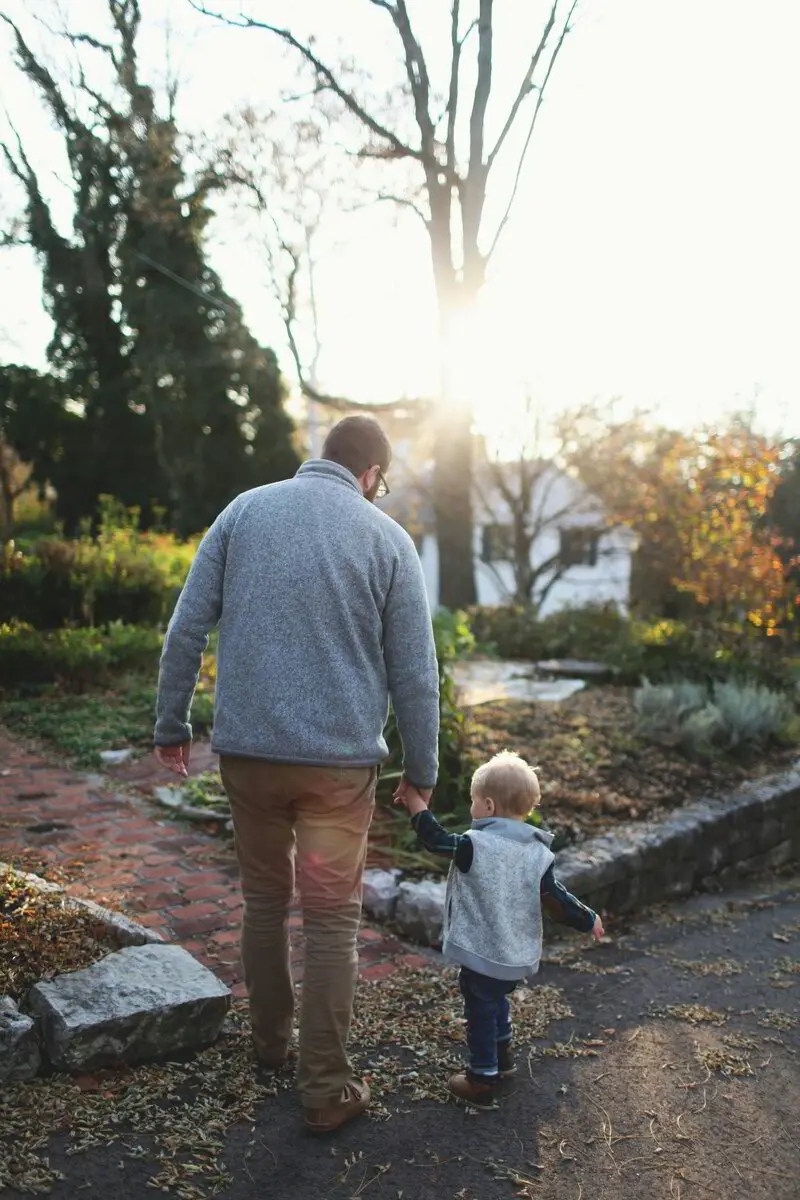 School-Age Growth and Development (Ages 6–12)School-age child development from 6 to 12: friendships, thinking skills, growing independence and early puberty. Learn what to expect and how dads can help.
 Internet Safety: Rules and Habits for the Whole FamilyInternet safety for kids through family rules that stick: a media agreement, screen-time limits, safe search and what to do when kids see something upsetting.
Ask a question, meet other dads in the 24/7 room, or join the community for resources and support at every stage.
Join our 24/7 Room to meet and talk with other dads
Join Today