
Child Development Milestones
From first grade to the edge of middle school, kids change quietly but constantly. They get better at reasoning, care more about what friends think, start comparing themselves to others, and push for more freedom. School-age child development is less about checklists and more about guiding a kid who is building a sense of who they are. Here's what typically happens between 6 and 12 and where a dad fits in.

Reading takes off, rules and fairness become a big deal, friendships form around shared play, and kids still want lots of time and approval from parents. Losing at games can sting.
Thinking becomes more logical and organized. Kids can plan, argue a point, and handle longer projects. Peer opinions start to carry real weight, and some kids show early signs of puberty.
Puberty is underway for many. Moods can swing, privacy matters more, and kids start questioning rules. They're capable of real responsibility and still need your steady presence.
School-age kids move from learning to read to reading to learn. They can hold more in their heads, follow multi-step instructions, and start to understand other people's perspectives. They also become aware of being “good” or “bad” at things, which can make them avoid subjects that feel hard.
You can help by praising effort and strategy rather than smarts, being curious about what they're learning, and showing them that you're still learning too. For school-specific support, see supporting academic and personal growth.
Friendships become more complicated: best friends, falling-outs, group chats, and the first experience of being left out. Listening without immediately fixing helps your child process social stuff. Ask questions like “What do you think you'll do?” before offering advice.
This is also when self-esteem can take hits. Comparison with classmates, sports performance, and appearance all start to matter. Our guide on building self-esteem and resilience has practical ideas.
Puberty can begin in late elementary school, and its timing varies widely. Talk about body changes before they happen, in matter-of-fact terms, so your child isn't scared or embarrassed. Dads of daughters can have these conversations too. Your calm, normal tone tells her that her body is nothing to be ashamed of.
Sleep, nutrition, and daily activity matter a lot at this age, especially as screens compete for time. Your pediatrician can answer questions about growth and puberty timing at yearly checkups. HealthyChildren.org also has good guides written for parents.
School-age kids want to walk to a friend's house, have a phone, and stay home alone for a bit. Rather than yes or no, think in steps: try a short trip first, talk through what-ifs, and expand as they show they can handle it. Trust gets built in both directions.
The school-age toolkit and balancing independence and guidance both go deeper on how much freedom fits which age.
FAQ
Between 6 and 12, kids develop more logical thinking, stronger reading and reasoning skills, deeper friendships, a growing sense of identity and self-worth, and, toward the end, the start of puberty.
Timing varies widely. Some children show early signs in late elementary school while others start later. Ask your pediatrician what's typical and talk with your child before changes begin.
It depends on your child's maturity, your neighborhood, and your family's comfort level. Many 9-year-olds can handle small steps like a short walk to a nearby friend's house or simple solo errands. Expand gradually as they show responsibility.
Not necessarily. One close, positive friendship can be very healthy. Be more concerned if your child seems lonely, is consistently excluded, or shows signs of bullying, and talk with the school if so.
Keep going
Child Development Milestones: A Dad's GuideChild development milestones explained for dads: what kids usually do from birth to the school years, when to ask questions, and how play helps. Read on.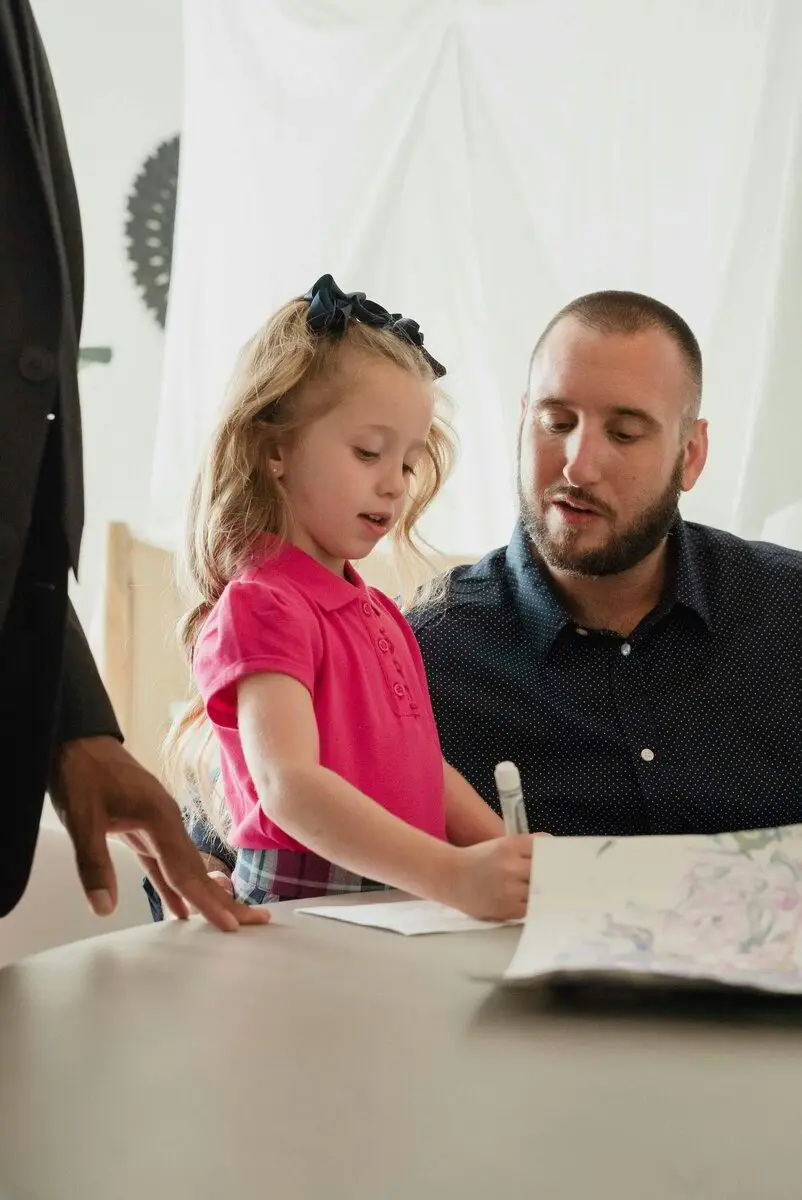 School-Age Toolkit for DadsSchool-age parenting tips for dads of 5- to 12-year-olds: homework routines, friendships, chores and staying close as kids grow. Get the toolkit today.
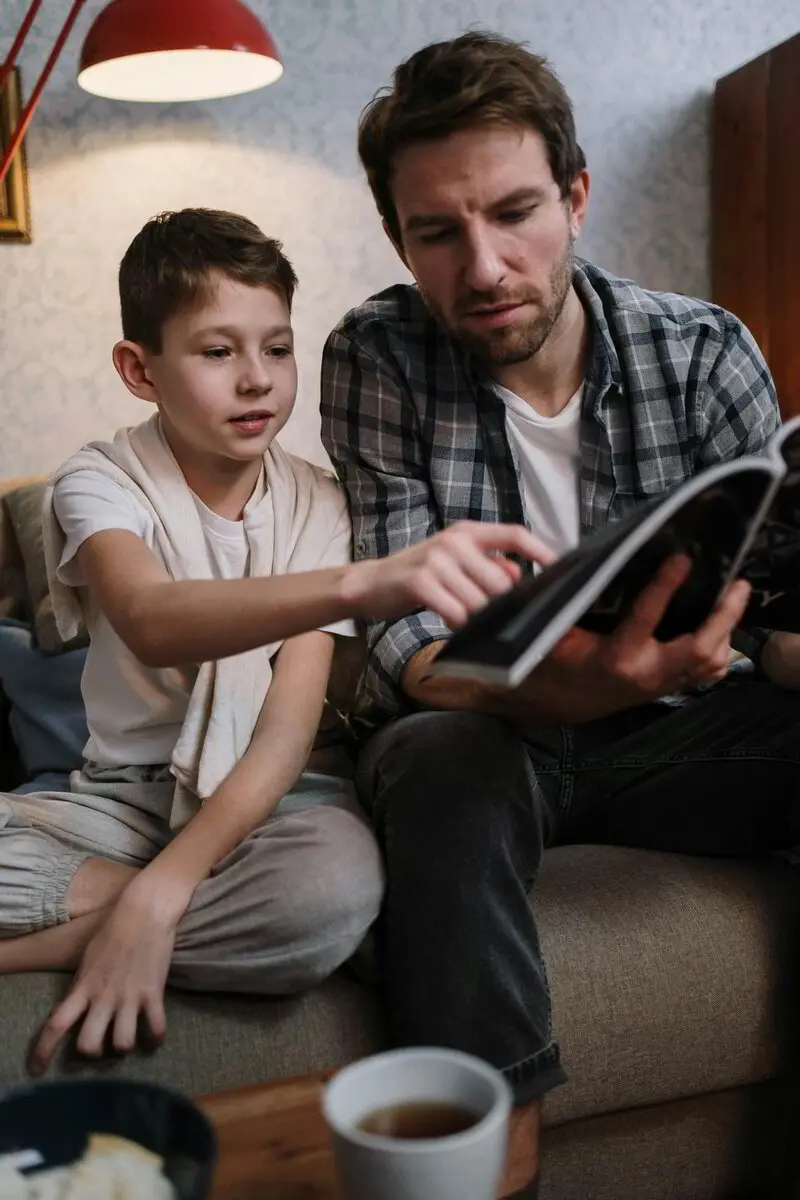 Building Self-Esteem and Resilience in KidsBuilding self-esteem in kids takes more than praise. Learn how dads grow real confidence and resilience through effort, setbacks and a sense of belonging.Balancing Independence and GuidanceGiving kids independence without letting go too fast: how to judge readiness, set safe limits, and widen freedom step by step from toddler years to teens.
Ask a question, meet other dads in the 24/7 room, or join the community for resources and support at every stage.
Join our 24/7 Room to meet and talk with other dads
Join Today