
Toolkits
The years from 5 to 12 can feel calmer than the toddler stage, but they come with their own challenges: homework fights, friendship drama, screen negotiations and kids who suddenly have opinions about everything. These school-age parenting tips for dads focus on four things that matter most at this stage: routines, responsibility, friendships and staying connected.
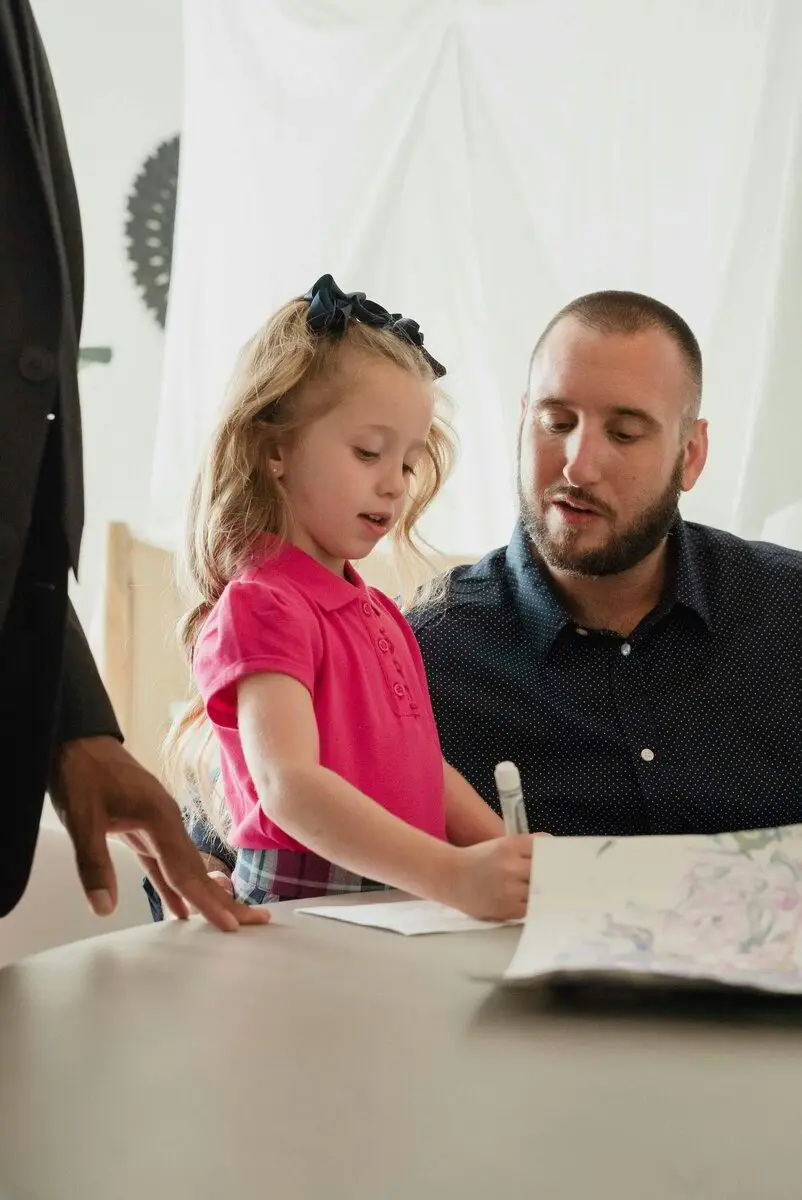
A 5-year-old still needs you nearby for most things. A 12-year-old is starting to pull toward friends and wants privacy. In between, kids learn to read and reason, start comparing themselves to others and build a sense of what they're good at. They also begin to notice how you treat people, how you handle mistakes and whether you keep your promises.
This is when kids form their picture of what a dad is. The small, steady stuff counts: showing up to the school play, asking about their day in a way that gets more than “fine.”
Set up a predictable time and place for homework, and be around without hovering. For younger kids, sit nearby and help them get started. For older kids, check in at the beginning and end. Your job is to help them manage the work, not to do it for them.
See establishing routines and homework help for sample schedules. If a child is consistently frustrated or falling behind, talk with the teacher early.
Chores teach kids that they're a needed part of the household. Start small and let the standard be “done,” not “done perfectly.”
Set the table, feed a pet, put clean clothes away, help water plants.
Load the dishwasher, take out trash and recycling, make a simple sandwich, sweep.
Do their own laundry with guidance, help plan and cook a simple meal, mow with supervision.
Friendships get more complicated around ages 8 to 10. Listen when your child talks about friend problems before jumping in with solutions. Asking “What do you think you'll do?” builds their problem-solving. The page on promoting social skills and friendships has more ideas.
As kids get their first devices, set clear expectations together and revisit them as they grow. The internet safety guide covers privacy settings and how to talk about online risks.
To stay close, try a regular one-on-one ritual: a Saturday breakfast run, shooting hoops after dinner or a weekly bike ride. Kids often open up when you're side by side doing something, not face to face.
School-age kids want more freedom: walking to a friend's house, staying home alone for a few minutes, picking their own activities. Give independence in steps and tie it to responsibility. If they handle walking to the corner store well, they've earned the next step.
For more on that balance, read fostering responsibility and independence. You can also talk through tricky situations with other dads in the Phenomenal Fatherhood community.
FAQ
Be present and available, help with getting started and staying organized, and let your child do the actual work. If they consistently struggle, talk with their teacher rather than taking over.
Most 7-year-olds can set and clear the table, feed pets, make their bed, sort laundry and put toys away. Show them how, do it together a few times, and then let them own it.
Keep a regular one-on-one ritual, listen more than you lecture, show interest in what they care about even if it isn't your thing, and be honest when you get something wrong.
Keep going
 Fatherhood Toolkits for Every StageFatherhood toolkits for every stage: newborn care, toddler activities, school-age support and teen parenting. Pick your child's age and get started today.
 Establishing Routines and Homework HelpBuild a homework routine for kids that ends the nightly fight: when and where to work, how much to help, and calmer mornings and bedtimes. Try it this week.Fostering Responsibility and Independence in KidsTeaching kids responsibility starts with real jobs at home. See age-appropriate chores, how to follow through without nagging, and how to handle allowance.Promoting Social Skills and FriendshipsHelping kids make friends starts with skills you can practice at home: joining play, sharing, reading cues and handling conflict. Ideas for dads by age.
 School-Age Growth and Development (Ages 6–12)School-age child development from 6 to 12: friendships, thinking skills, growing independence and early puberty. Learn what to expect and how dads can help.
Ask a question, meet other dads in the 24/7 room, or join the community for resources and support at every stage.
Join our 24/7 Room to meet and talk with other dads
Join Today