
DIY Projects & Activities
Kids are natural scientists. They ask why constantly and love to see what happens when they mix things. These science experiments for kids at home use supplies from your kitchen and garage and turn that curiosity into simple lessons about guessing, testing and observing.
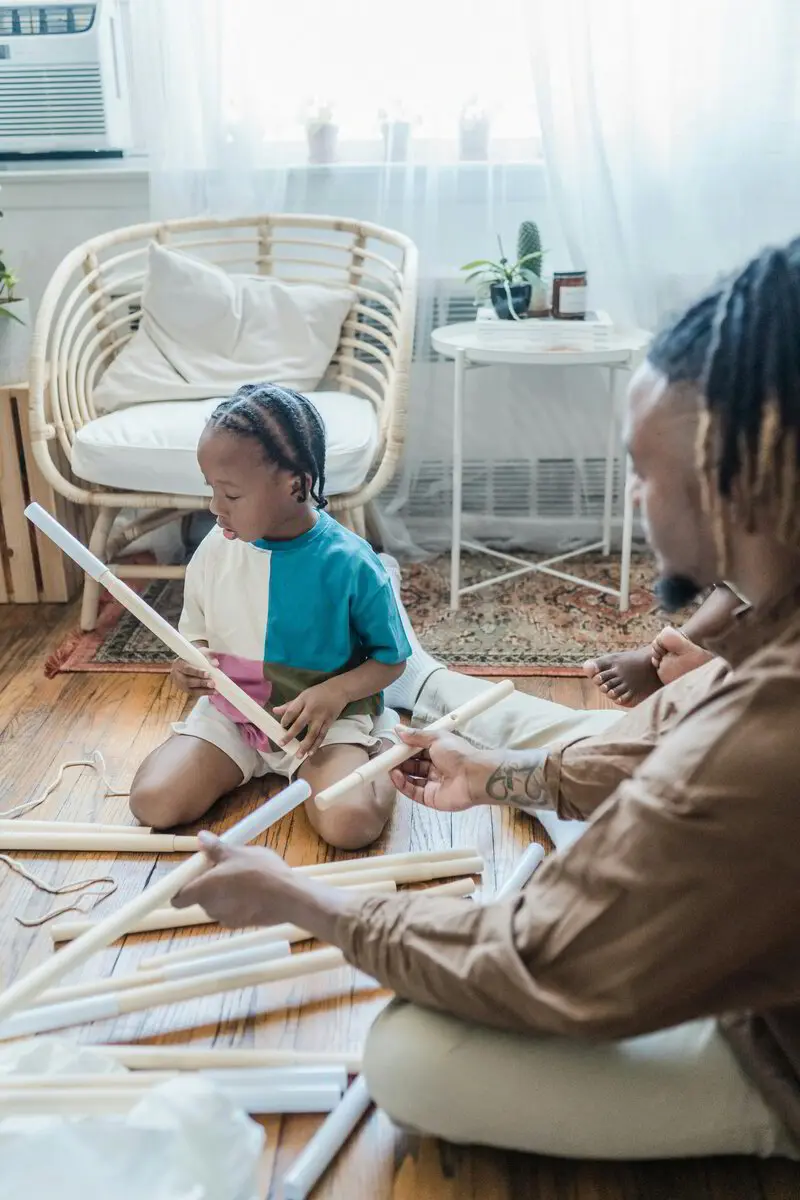
Before each experiment, ask your child what they think will happen. That's a hypothesis. Then test it and talk about the results. Were they right? Why or why not? What could you change?
The question “What do you think will happen?” is the most important part of any experiment. It turns a fun trick into real thinking. Write down predictions and results in a simple notebook to make it feel official.
Baking soda and vinegar in a cup or clay volcano. Add dish soap for more foam. Teaches chemical reactions.
Drop raisins in clear soda and watch them rise and sink. Teaches about gas bubbles.
Add food coloring to a plate of milk, then touch it with a cotton swab dipped in dish soap. Teaches about surface tension.
Put ice cubes in different spots or sprinkle with salt, sugar or sand. Which melts fastest?
Test household items in a tub of water. Predict first, then test.
Some experiments take days or weeks. Plant bean seeds in a clear cup with wet paper towels and watch the roots grow. Leave a slice of bread in a sealed bag and observe mold. Track the weather or the moon for a month.
These teach patience and observation. Take a photo each day so kids can see the changes over time.
Even simple experiments need supervision. Wear safety glasses for anything that can splash or fly. Never mix household cleaners, since some combinations create dangerous fumes. Adults handle heat, sharp tools and anything hot. Keep experiment materials away from younger siblings.
If anything is swallowed or splashed in the eyes, call Poison Help at 1-800-222-1222. Wash hands after each experiment.
Preschoolers love sink-or-float and color mixing, where results are fast and visible. Kids around 6 to 8 enjoy fizzing reactions, ramps and simple plant growing, and can start making predictions. Kids 9 to 12 can design their own experiments, change one variable at a time and record results in a chart.
Teens might enjoy more complex projects, like building a simple circuit or a model bridge, and entering a school science fair. At every age, let your child ask the questions and lead as much as possible. You're the lab assistant.
If your child loves science, look for local museums and cultural and educational events. The educational toys and STEM gear page has ideas for kits, and cognitive development explains how kids' thinking grows. Back on DIY projects and activities, there's more to explore.
FAQ
Baking soda and vinegar volcanoes, dancing raisins, rainbow milk, ice melt races, sink-or-float tests and paper airplane contests use common household supplies and work for many ages.
Keep it simple: ask a question, make a guess, test it, watch what happens and talk about whether the guess was right. Repeat it with each experiment.
Most kitchen experiments are safe with adult supervision. Use safety glasses, never mix cleaning products, keep adults in charge of heat and sharp tools, and call Poison Help at 1-800-222-1222 if something goes wrong.
Keep going
DIY Projects and Activities for Dads and KidsDIY projects for dads and kids: toddler learning games, family traditions, outdoor fun and kitchen science, with ideas by age. Pick one and start building. Cognitive Development: Feeding Your Child’s CuriosityCognitive development in children: how kids learn to think, remember, talk and solve problems, plus everyday ways dads can feed curiosity. See ideas by age.
 Fun Learning Through Play: Games That Build SkillsLearning through play, explained for dads: simple games by age that build language, math, motor and social skills without flashcards. Try one idea tonight.
Ask a question, meet other dads in the 24/7 room, or join the community for resources and support at every stage.
Join our 24/7 Room to meet and talk with other dads
Join Today