
DIY Projects & Activities
Kids remember the afternoon you built something together long after they forget the toy you bought. These DIY projects for dads and kids use cardboard, kitchen supplies, the backyard and a little patience. Below you'll find the four project areas we cover and how to pick one that fits your child's age and your Saturday.

Explore this section
DIY Learning Activities for ToddlersDIY learning activities for toddlers made from household items: sorting games, sensory bins, matching and counting. Simple setups dads can build today.Crafting Family TraditionsFamily traditions ideas dads can start this month: weekly rituals, birthday customs, yearly adventures and handmade keepsakes your kids will remember.Outdoor Adventures and PlaytimeOutdoor adventures with kids for every age: backyard camping, scavenger hunts, simple hikes and nature games, plus packing and safety tips for dads.Home Science Experiments for KidsEasy science experiments for kids at home with kitchen supplies: fizzing reactions, ice melts, paper rockets and plant growing. Safety tips for dads included.Sorting trays, sensory bins and matching games made from what's already in your recycling. See DIY learning activities for toddlers.
Rituals you design together, from a birthday interview to a yearly fort night. See crafting family traditions.
Backyard camping, neighborhood scavenger hunts and simple trail days. See outdoor adventures and playtime.
Volcanoes, ice melts and paper rockets that teach kids to make a guess and test it. See home science experiments.
A good project is just a little hard for your child, not frustrating. Under 3, the process is the point: pouring, stacking, tearing and splashing. Kids 3 to 5 like a clear goal they can finish in one sitting, like painting a birdhouse you pre-assembled. From about 6 to 10, they can follow a few steps, measure and use some real tools with you right beside them. Preteens and teens want ownership, so let them design it and you act as the assistant.
If you're not sure what's realistic, the child development milestones guide can help you set expectations.
Most project injuries come from rushing and from tools left within reach. Set up the workspace before you call your child over, and keep the rules short enough that a 5-year-old can repeat them.
The birdhouse will be crooked. The volcano will fizzle. That's fine. What your child takes away is how you reacted when it went wrong. Say out loud what you're thinking: “Hmm, that didn't work. What should we change?” That's the habit you're really teaching.
Let your kid make real choices, like colors, order of steps, and where it goes when finished. Stop while it's still fun, even if the project isn't done. You can pick it up next weekend.
Start a project box. Toss in clean cardboard, egg cartons, paper towel tubes, bottle caps, scrap wood, string and leftover paint. When a rainy Saturday hits, you already have materials, and your kids will start to think of “junk” as possibilities.
Thrift stores, garage sales and your own garage are good sources for basic tools. Many hardware stores and libraries also run kids' build days; check what's offered near you. Projects don't need a big budget to feel special. What makes them memorable is that you set aside the time and did it together.
Some of the best ideas come from other fathers who've already tested them. Post photos and what worked in the Phenomenal Fatherhood online community, or look at creative workshops for dads and kids for group projects. For more play-based ideas, the ideas and activities hub has seasonal and indoor options.
FAQ
Cardboard box forts, painted rocks, homemade playdough, bird feeders from pinecones and kitchen science like baking soda and vinegar are all low-cost and work across a wide age range.
Keep sessions short, give them real choices, and let them do the parts they can manage on their own. Pre-cut or pre-assemble the hard pieces for younger kids so they get to the fun part quickly.
It depends on age and supervision. Young kids can use child-safe scissors, glue sticks and rubber mallets. Older kids can use hand tools like a hammer or screwdriver with an adult right beside them. Keep powered and sharp tools in adult hands.
Keep going
 Parenting Resources for DadsParenting resources for dads in one place: guides, checklists, videos, toolkits, mental health help and outside support. Find what fits your week today.
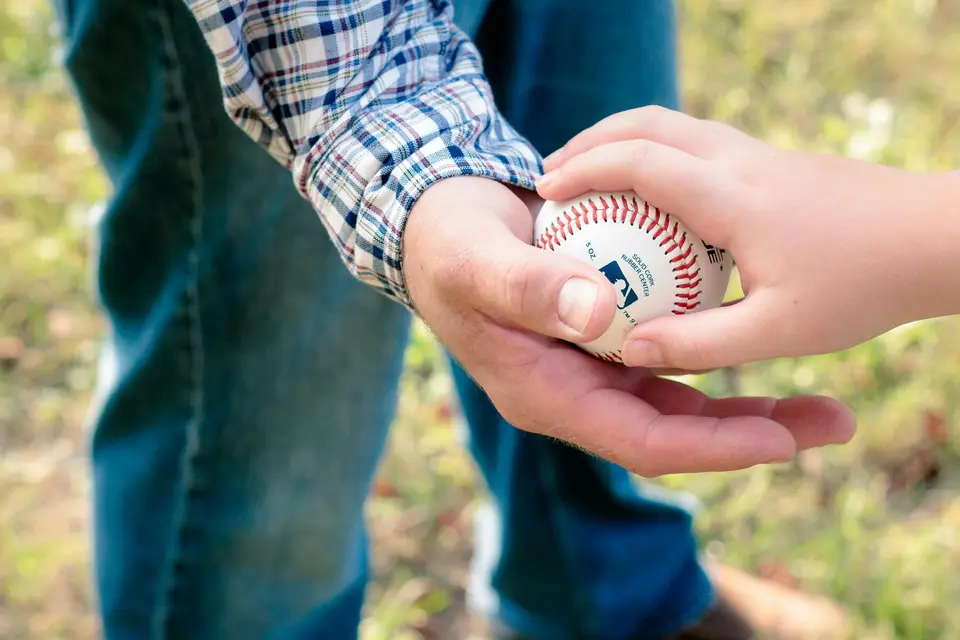 Ideas & Activities for Dads and KidsDad and kid activities for every age: sports, parks, cooking, development, online safety and support. Browse the ideas and pick one to try this week.
Ask a question, meet other dads in the 24/7 room, or join the community for resources and support at every stage.
Join our 24/7 Room to meet and talk with other dads
Join Today