
DIY Projects & Activities
You don't need expensive toys to help your toddler learn. Some of the best DIY learning activities for toddlers come from egg cartons, muffin tins, cardboard boxes and dried pasta. These homemade activities build colors, counting, hand skills and problem-solving, and most take less than ten minutes to set up.
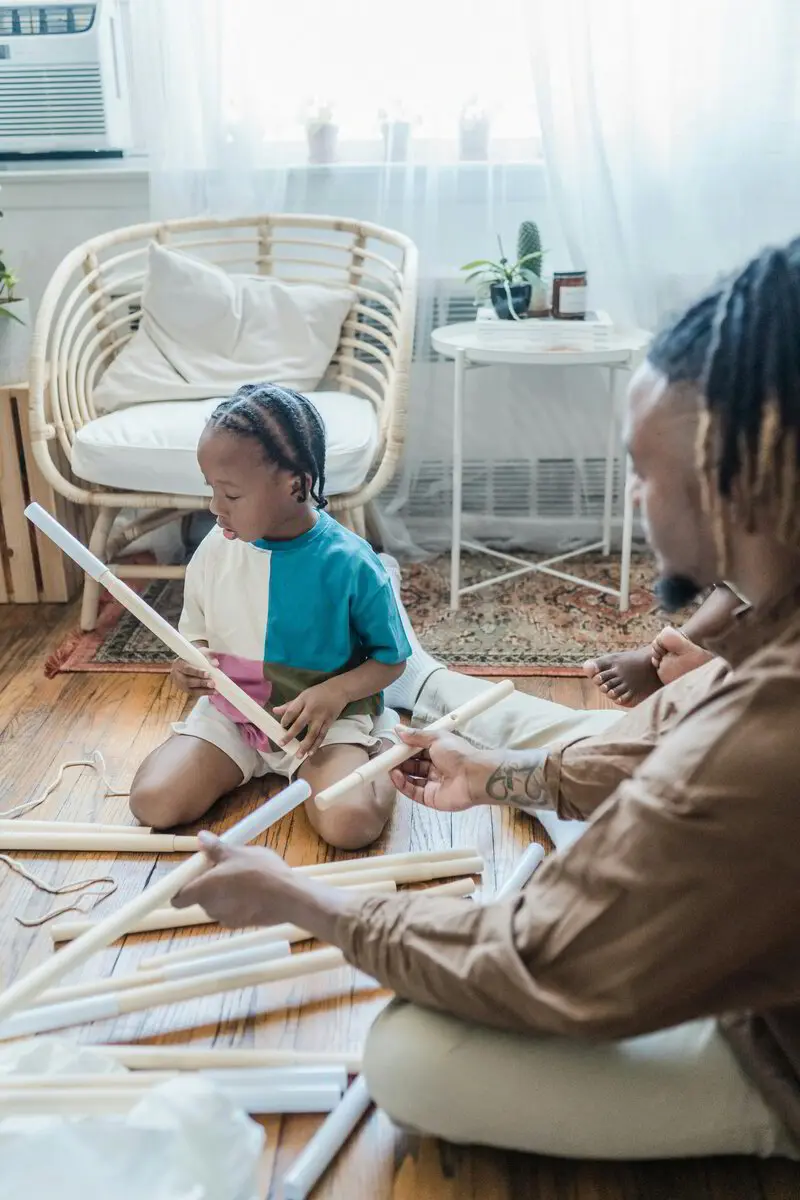
Toddlers learn by doing the same thing over and over. Putting a ball in a tube and watching it come out the other end teaches cause and effect. Sorting socks teaches matching. Repetition is the learning, so don't worry if your child wants to do the same activity 20 times.
Your job is to set up something interesting, show them once and then step back. Ask questions like “Where did it go?” or “Which one is bigger?” instead of giving answers.
Put colored paper in the bottom of each cup and let your toddler sort pom-poms or blocks by color (large items only for young toddlers).
Tape paper towel tubes to a wall at angles and drop balls or toy cars through them.
Fill a plastic tub with dry rice, oats or water and add scoops, cups and spoons.
Collect containers and lids and let your toddler match them.
Tape contact paper sticky-side out on a wall and let them stick on paper shapes.
Cut circles and squares in a shoebox lid and let them push blocks through.
Mix up pairs of socks and find matches together.
Freeze small bath toys in a container and use warm water and spoons to free them.
Number paper cups and drop in that many large buttons or blocks (older toddlers).
Put photos of animals in a box. Pull one out and make the sound together.
Sensory bins are a favorite because they hold attention for a long time. Start with a shallow plastic bin. Add one base material, like dry rice, oats, water, sand or shredded paper, and a few tools such as measuring cups, funnels, spoons and small containers.
Put a sheet or towel underneath, and set clear rules: “Rice stays in the bin.” Always supervise sensory play and avoid small items like beans or beads with toddlers who still put things in their mouths.
When you're short on time, try these: hide a toy under one of three cups and shuffle, drop clothespins into a plastic bottle, pull scarves out of an empty tissue box or sort laundry by color together. Each takes almost no setup but still gives your toddler something new to figure out.
Keep two or three activities out at a time and rotate them every week. When your toddler masters one, add a challenge, like sorting by size instead of color or using tongs instead of hands.
For more ideas, see creative arts and crafts for toddlers, educational toys and fun learning through play. Back on the main DIY projects and activities page, you'll find options for older kids.
FAQ
Muffin tin sorting trays, cardboard tube ball drops, shoebox shape sorters, sensory bins and lid-matching games are all easy to make from household items.
A shallow bin, one base material like dry rice, oats or water, and a few scoops, cups and funnels. Avoid small items your toddler could choke on, and always supervise.
Toddlers learn by exploring, repeating actions and testing what happens. Hands-on play builds language, motor skills, problem-solving and early math and science concepts.
Keep going
DIY Projects and Activities for Dads and KidsDIY projects for dads and kids: toddler learning games, family traditions, outdoor fun and kitchen science, with ideas by age. Pick one and start building. Creative Arts and Crafts for ToddlersEasy art and crafts for toddlers that dads can set up in minutes: finger paint, playdough, sticker art and messy play. Low-cost ideas and smart cleanup tips.
 Fun Learning Through Play: Games That Build SkillsLearning through play, explained for dads: simple games by age that build language, math, motor and social skills without flashcards. Try one idea tonight.Toddler Activity Toolkit for DadsToddler activities for dads, sorted by what your 1- to 3-year-old needs: movement, messy art and early talking. Easy setups for busy days. Start playing.
Ask a question, meet other dads in the 24/7 room, or join the community for resources and support at every stage.
Join our 24/7 Room to meet and talk with other dads
Join Today