
CHILDHOOD DEVELOPMENT
Every “Why?” from a four-year-old is a tiny research project. Cognitive development in children is how they learn to think, remember, communicate and solve problems, and it happens mostly through ordinary moments with the people who love them. You don’t need flashcards. You need conversation, play and patience with a lot of questions.
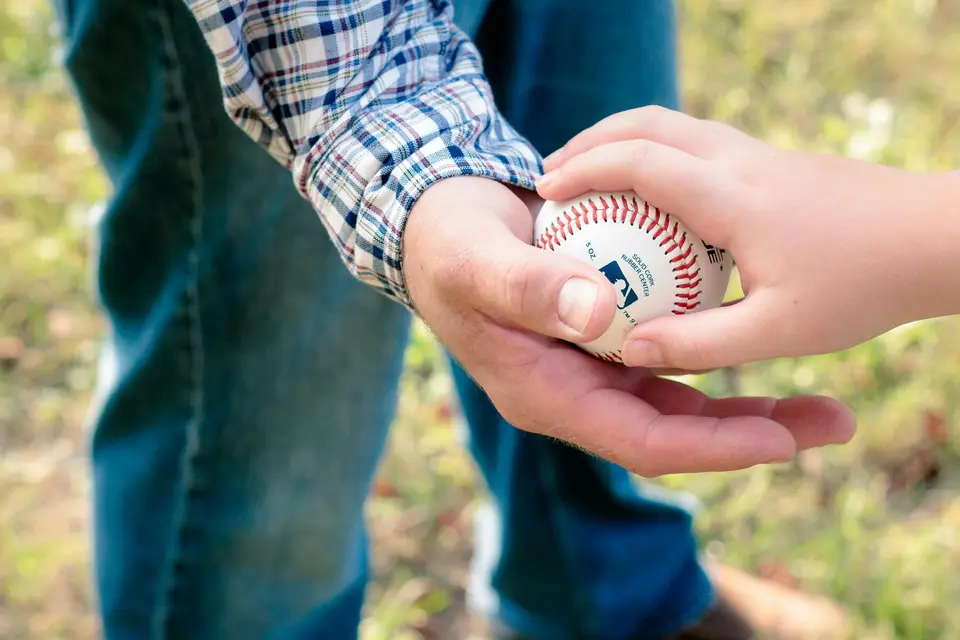
Babies learn by using their senses: mouthing toys, dropping spoons to see what happens, discovering that you still exist when you hide behind a blanket. Toddlers start using words and simple pretend play, like feeding a stuffed bear.
Preschoolers ask endless questions, sort objects, count and begin to understand time words like ‘tomorrow.’ School-age kids reason logically about concrete things and start planning. Teenagers can think abstractly, debate ideas and imagine future consequences, even if their judgment is still catching up.
Back-and-forth conversation is one of the most powerful tools you have. With babies, respond to coos and babbles as if they’re talking. With toddlers, describe what you’re doing: “I’m cutting the apple into four pieces.” With older kids, ask questions that don’t have one right answer.
Reading together every day builds vocabulary and attention. Let your child pick books, ask what they think will happen next and connect stories to their own life. The local library is a free and endless supply.
Block building teaches spatial reasoning and cause and effect. Pretend play builds planning and storytelling. Board games teach counting, strategy and handling losses. Simple science like mixing baking soda and vinegar invites prediction and testing.
Our pages on fun learning through play, home science experiments and educational toys have ideas that fit different ages.
Some educational apps and shows can support learning, especially when you watch or play together and talk about it. But screens can crowd out the hands-on play and conversation young brains need most. The American Academy of Pediatrics’ HealthyChildren.org has a family media plan tool to help you set limits by age.
A good test: does this activity make my child think, create or talk, or does it just keep them still? Favor the first kind.
Every brain learns differently. Some kids need more movement, more repetition or a different way of seeing a problem. If your child struggles with speech, attention, reading or memory more than peers, talk with their pediatrician or teacher. Evaluations can identify specific supports that make school and life easier.
For school-age kids, steady routines help with focus. See establishing routines and homework help and supporting academic and personal growth.
FAQ
Talk, sing and read to your baby, respond to their sounds and expressions, and give them safe objects to explore. Warm, responsive interaction is more valuable than any special product.
Puzzles, building toys, board games, simple science experiments, cooking with measurements and open-ended questions. Let your child struggle a little before you help.
Some can help, especially for older preschoolers and school-age kids, when used in moderation and ideally together with a parent. They don’t replace conversation, reading and hands-on play.
Most experts emphasize reading together, talking and play over formal early reading drills. If your child shows interest in letters, follow their lead with games and books. Pushing too hard can make learning feel like a chore.
Keep going
Childhood Development: What Dads Should KnowStages of child development explained for dads: physical, emotional and cognitive growth from baby to teen, and how you can help. Start with your kid’s age.Physical Development: Helping Your Child Grow StrongPhysical development in children from crawling to coordination: gross and fine motor skills by age and simple ways dads can help them grow. Read the guide.Emotional Development: Raising Kids Who Can Handle Big FeelingsEmotional development in children: how kids learn to name feelings, calm down and show empathy, and how dads can coach them through it. Try one idea today. Fun Learning Through Play: Games That Build SkillsLearning through play, explained for dads: simple games by age that build language, math, motor and social skills without flashcards. Try one idea tonight.
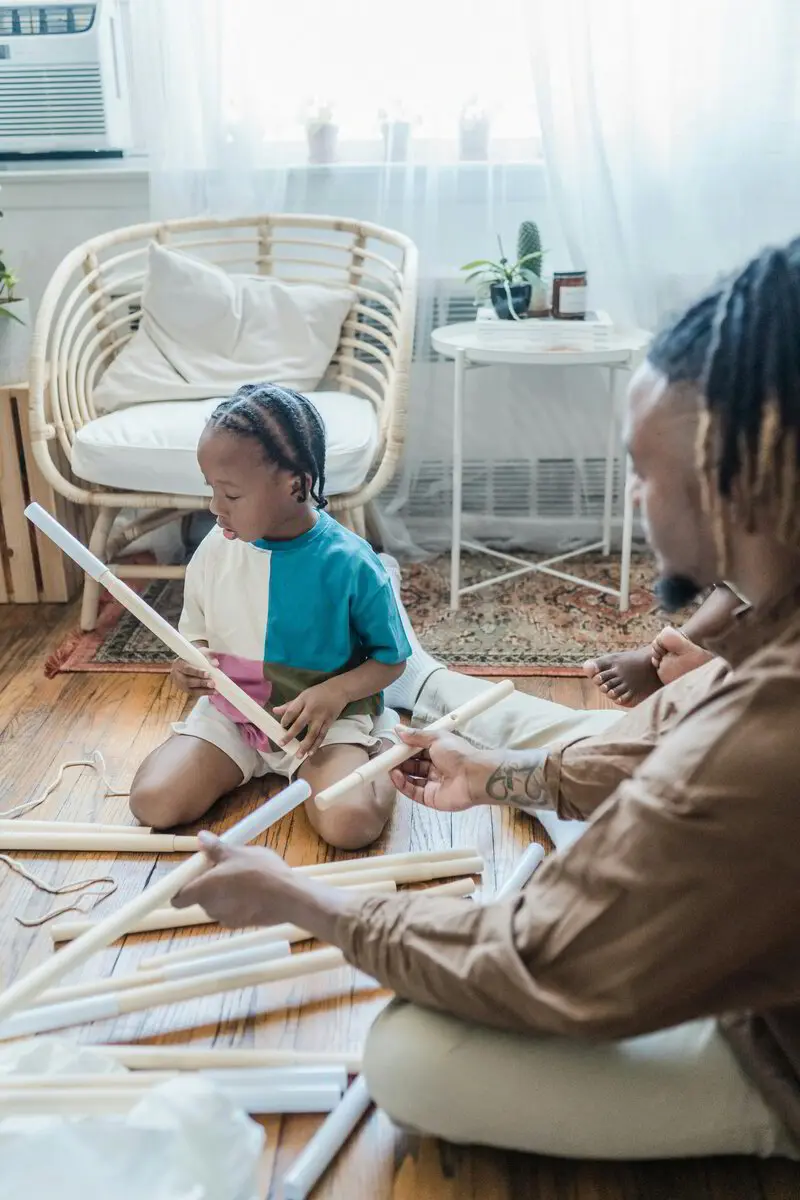 Home Science Experiments for KidsEasy science experiments for kids at home with kitchen supplies: fizzing reactions, ice melts, paper rockets and plant growing. Safety tips for dads included.
Ask a question, meet other dads in the 24/7 room, or join the community for resources and support at every stage.
Join our 24/7 Room to meet and talk with other dads
Join Today