
CHILDHOOD DEVELOPMENT
Physical development in children covers everything from a newborn lifting their head to a twelve-year-old landing a skateboard trick. It includes big-muscle skills like running and jumping and small-muscle skills like buttoning a shirt. Dads are naturally good at the kind of active play that builds these skills, and you don’t need special equipment to help.
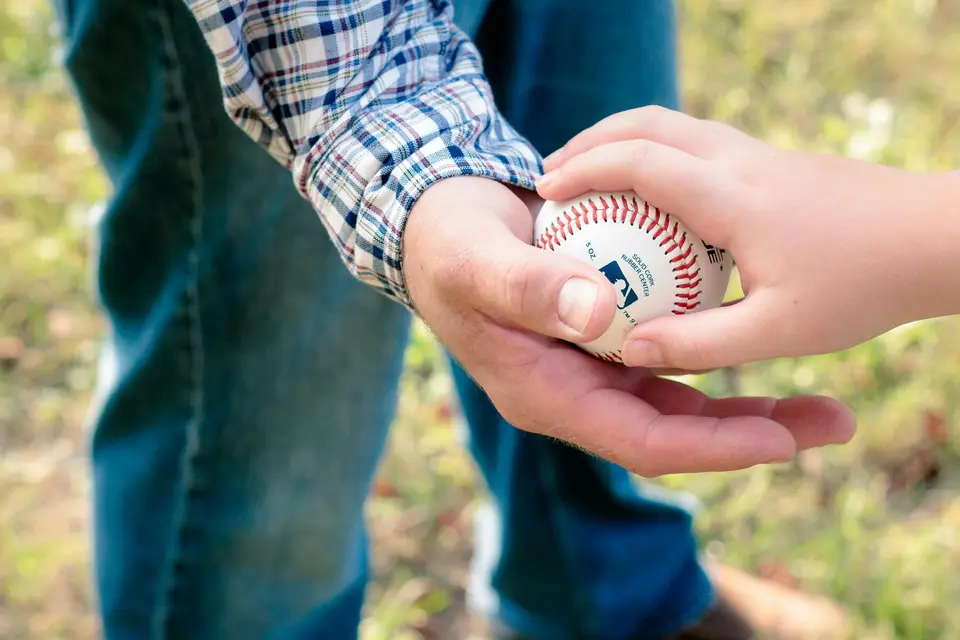
Gross motor skills use the large muscles of the arms, legs and torso: crawling, walking, climbing, throwing and swimming. Fine motor skills use the small muscles of the hands and fingers: picking up a cheerio, holding a crayon, using scissors and tying shoes.
Both matter. Gross motor skills support confidence and play with other kids. Fine motor skills support school tasks like writing and self-care like dressing.
These are general patterns. The CDC’s milestone checklists at cdc.gov/actearly give more detail through age five.
Head control, rolling, sitting, crawling or scooting, pulling to stand. Supervised tummy time while awake helps build neck and shoulder strength.
Walking, then running, climbing stairs with help, kicking a ball, stacking blocks and scribbling. Lots of falls are part of learning.
Hopping, pedaling a tricycle, catching a large ball, using child scissors, drawing shapes and beginning to dress themselves.
Riding a bike, skipping rope, refining sport skills, neater handwriting and more endurance.
Growth spurts change body proportions, which can make coordination temporarily clumsy. Strength and stamina increase.
Roughhousing on a carpet, airplane rides, wheelbarrow walks and gentle wrestling all build strength and body awareness. Keep it safe: soft surfaces, clear space and a stop signal your child can use anytime. Stopping when they say stop teaches trust and body boundaries.
Playgrounds are a free motor-skills gym. Let your child try the climbing wall while you stand close instead of lifting them to the top. The struggle is the workout. Our outdoor adventures and physical play page has more ideas.
Growing bodies need enough sleep, balanced meals and plenty of daily movement. Long stretches of sitting with screens can crowd out active play. You don’t need to ban devices; just make sure moving comes first on most days.
For food basics, see balanced diet for growing kids, and for broader healthy-living ideas, active lifestyles and physical health.
Talk to your child’s doctor if your baby isn’t sitting or bearing weight on their legs around the expected ages, if your toddler isn’t walking by roughly 18 months, if one side of the body seems much weaker than the other, or if your child loses skills they had. Physical and occupational therapists can help with many motor delays, and early evaluation is the best approach.
FAQ
Gross motor skills use large muscles for movements like walking, running and climbing. Fine motor skills use small hand and finger muscles for tasks like grasping, drawing and buttoning.
Offer lots of safe chances to move: walking on uneven ground, climbing low playground equipment, kicking and throwing balls, and dancing. Stay close, but let them try things on their own.
It varies widely. Many kids can catch a large ball with both arms around age three to four and ride a two-wheel bike somewhere between four and eight. Practice and interest matter as much as age.
For most kids, yes, when it’s supervised and playful. Wrestling, tickling and pillow fights build strength, body awareness and self-control, especially when you use a clear stop signal and respect it every time. Keep it on soft surfaces and away from furniture edges.
Keep going
Childhood Development: What Dads Should KnowStages of child development explained for dads: physical, emotional and cognitive growth from baby to teen, and how you can help. Start with your kid’s age.Emotional Development: Raising Kids Who Can Handle Big FeelingsEmotional development in children: how kids learn to name feelings, calm down and show empathy, and how dads can coach them through it. Try one idea today.Cognitive Development: Feeding Your Child’s CuriosityCognitive development in children: how kids learn to think, remember, talk and solve problems, plus everyday ways dads can feed curiosity. See ideas by age.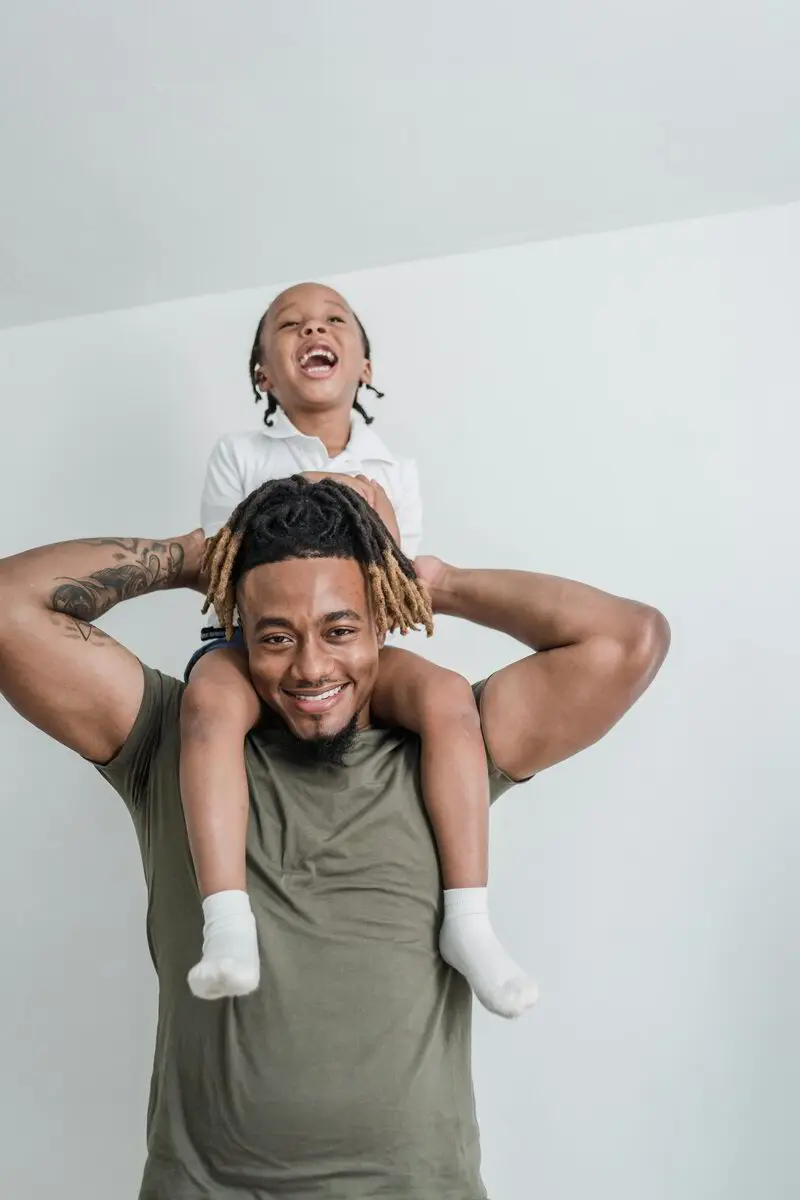 Outdoor Adventures and Physical Play for ToddlersPhysical play for toddlers with Dad: climbing, chasing, ball games and safe roughhousing that build balance and confidence. Simple ideas for ages 1 to 3.
 Active Lifestyles and Physical Health for FamiliesBuild an active family lifestyle without a gym: daily movement ideas by age, balancing screens and sleep, and how dads lead by example. Get the family moving.
Ask a question, meet other dads in the 24/7 room, or join the community for resources and support at every stage.
Join our 24/7 Room to meet and talk with other dads
Join Today