
Trend 1: From Provider to Caregiver
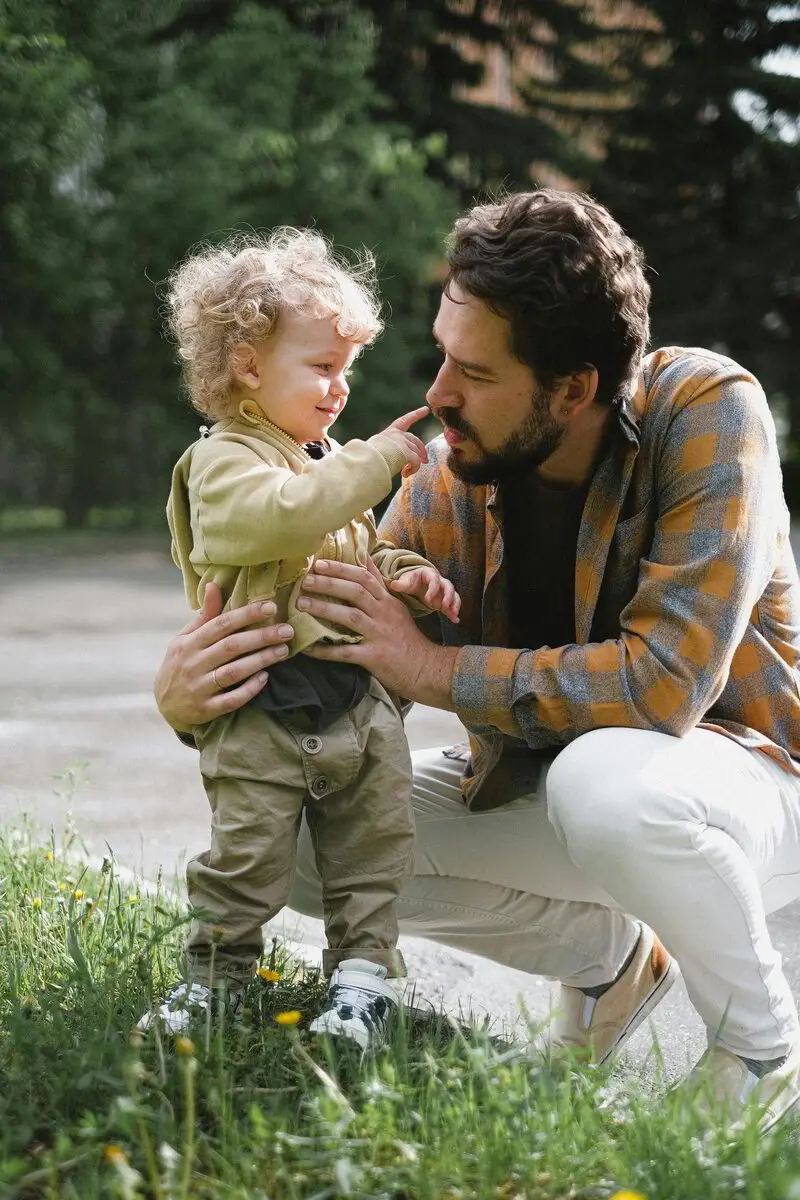
For a long time, a good father was mainly defined by his paycheck. Today, many families expect dads to share the daily work of raising kids: doctor appointments, bedtime, school pickups and sick days. Most fathers welcome this, and many say caregiving is where they feel closest to their children.
The challenge is that plenty of today’s dads did not see this modeled growing up. They are learning on the job. If that is you, start with one routine you fully own, then add another. Our parenting tips for dads are a good place to pick up skills quickly.
It also helps to notice how this trend plays out in your own home. Count the routines you handled last week without being asked: meals, baths, appointments, homework. If the honest answer is “not many,” that is not a reason for guilt, just a starting line. Kids remember the dad who knew which stuffed animal had to come to the doctor, and that kind of knowledge only comes from doing the work.
Trend 2: Flexible Work and the Balancing Act
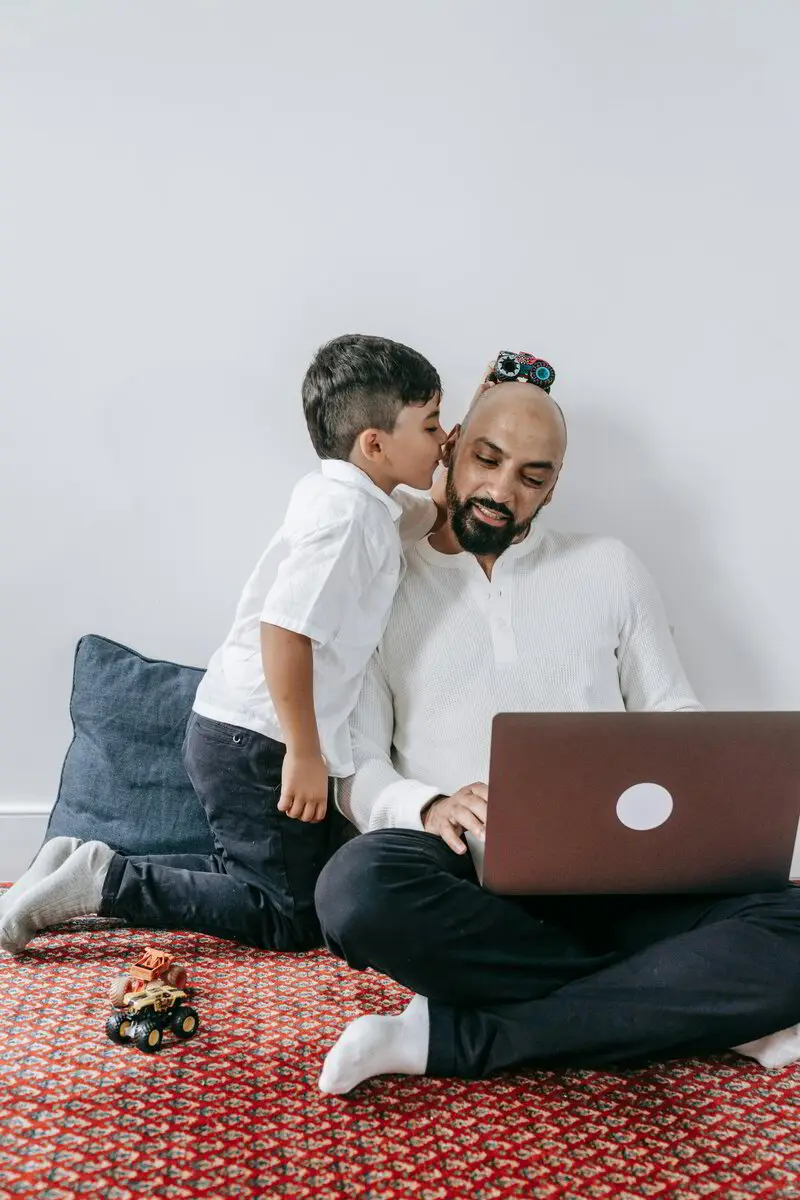
Remote and hybrid work, flexible hours and paternity leave have opened doors for involved fathers. At the same time, being reachable everywhere can blur the line between work and home. Dads report feeling pulled in two directions, and guilt runs both ways: guilt about missing family moments and guilt about not giving work enough.
The fathers who handle this best set boundaries on purpose: a hard stop time, a phone-free dinner, a calendar block for the school play. For practical tactics, see our guide to setting healthy boundaries between work and home.
Trend 3: Emotional Intelligence Is Part of the Job
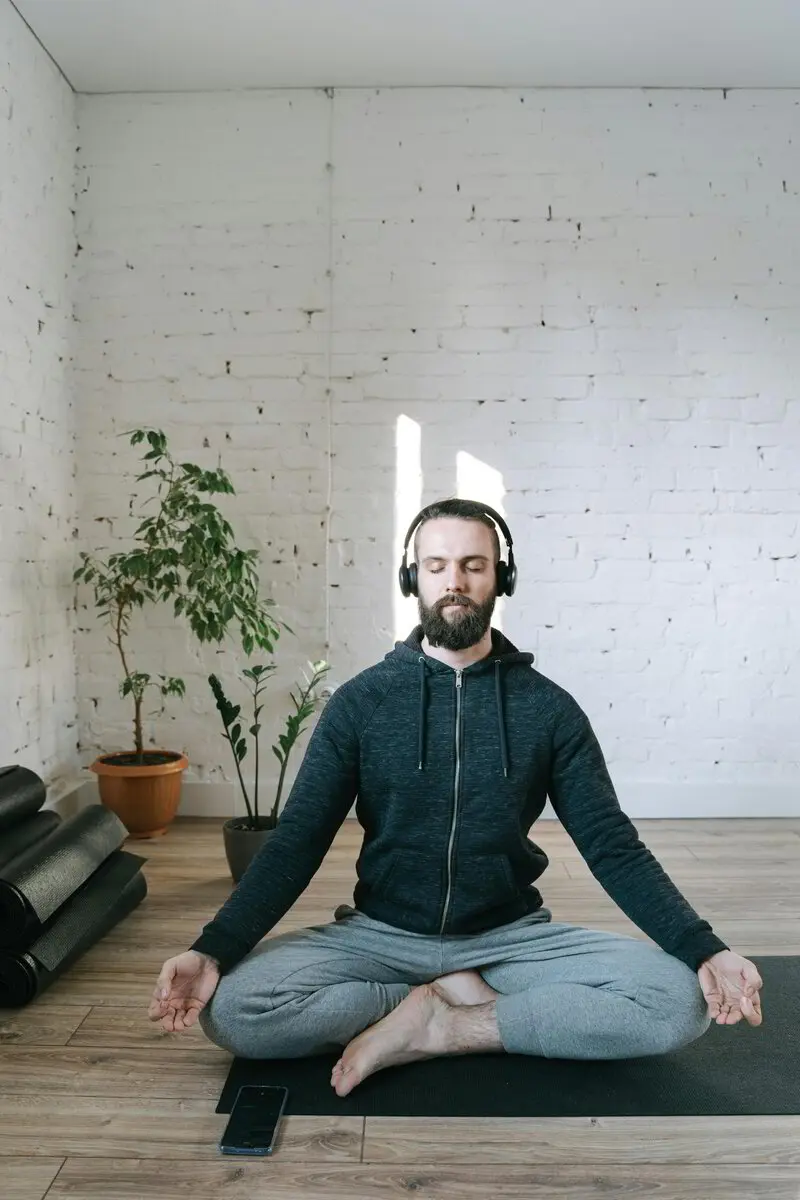
Modern dads are more likely to name feelings, talk with their kids about emotions and admit when they are struggling. That matters, because children learn emotional skills by watching the adults around them. A dad who says, “I’m frustrated, so I’m going to take a breath before I answer,” is teaching a lesson no worksheet can.
This trend also extends to fathers’ own mental health. More men are recognizing stress, anxiety and depression, including after a baby’s birth, and seeking help. If you need someone now, call or text 988. Our emotional and mental health hub collects more resources.
Trend 4: Dads Building Their Own Communities
Mothers have long had playgroups and online forums. Fathers are now building their own: dad meetups, online groups, father-focused workshops and peer mentoring. These spaces give men permission to ask questions they might not ask elsewhere.
Phenomenal Fatherhood is part of this movement. Our online community has discussion and forum areas, and the 24/7 Phenomenal Fatherhood Room is always open for dads to meet and talk. If you prefer an in-person feel, check our page on father support groups and community.
Trends 5 and 6: Technology and Diverse Family Shapes
Shared calendars, milestone trackers, video calls with long-distance kids and parenting podcasts have made it easier for dads to stay informed and involved. The CDC’s free Milestone Tracker app, for example, helps parents follow development from two months to five years.
Technology also brings new responsibilities. Dads now help guide children through screens, social media and online safety, and they model healthy phone use themselves. Our tools and apps guide and internet safety resources can help.
Single dads, stay-at-home dads, stepdads, co-parenting dads and dads raising grandchildren are all part of today’s picture. There is no single template. What these fathers share is a commitment to showing up in whatever shape their family takes.
If your family looks different from the one you grew up in, look for resources made for your situation, such as co-parenting support or single-dad networks, rather than generic advice that assumes a two-parent household.
Making Modern Fatherhood Trends Work for Your Family
Trends are only useful if they help your household. Pick the one that speaks to where you are now. If you are a new dad, it may be owning caregiving routines. If you have teens, it may be emotional openness and tech guidance. If you are stretched thin, it may be boundaries at work.
Then find one person or group to talk it through with. Phenomenal Fatherhood members can use Ask a Dad to be connected with an experienced father for peer insight, and our fatherhood insights section has more reading on where fatherhood is heading.
FAQ
Questions dads ask
How has the role of fathers changed?
Fathers today are more involved in daily caregiving, more emotionally expressive and more likely to share household and parenting tasks with a partner. The role has expanded from mainly providing to providing, nurturing and teaching.
What do modern dads struggle with most?
Common struggles include balancing work and family, feeling unprepared for hands-on parenting, managing stress, and finding other fathers to talk to. Many also feel pressure from changing expectations without clear role models.
How is technology changing fatherhood?
Technology helps dads stay organized, track development and connect with other fathers and with kids who live elsewhere. It also adds new tasks, like setting screen rules and teaching online safety.
Are stay-at-home dads becoming more common?
Many families now consider a stay-at-home dad arrangement when it fits their finances and careers. Regardless of who stays home, what matters most is that both parents are engaged and supported.
Do modern fatherhood trends mean dads should do everything the same way moms do?
No. Shared responsibility does not mean identical parenting. Many fathers bring their own style of play, problem-solving and humor, and children benefit from that variety. The goal is that both parents are capable, involved and trusted with every part of a child’s care, while each brings their own strengths to it.