
Lesson one: progress beats perfection
Many fathers carry a picture of the dad they’re supposed to be: calm, patient, wise, always available. Then real life happens, and they fall short. That gap can lead to guilt, or to giving up on growth entirely.
Instead, think of fatherhood as a craft you keep improving. Nobody masters it. Every stage brings new challenges, and you learn as you go. What matters is direction: Are you more patient than you were last year? More present? More willing to listen? If the answer is yes, you’re doing the work.
Letting go of perfection also makes you easier to live with. A father who can laugh at his own mistakes and try again shows his kids that growth is normal. A father who hides every mistake teaches them to do the same.
Lesson two: the power of a sincere apology
Some dads believe apologizing to their kids undermines their authority. In reality, a sincere apology builds trust. It shows your child that adults take responsibility, that relationships can be repaired and that being wrong isn’t the end of the world. Kids who see their dad apologize learn to do it themselves.
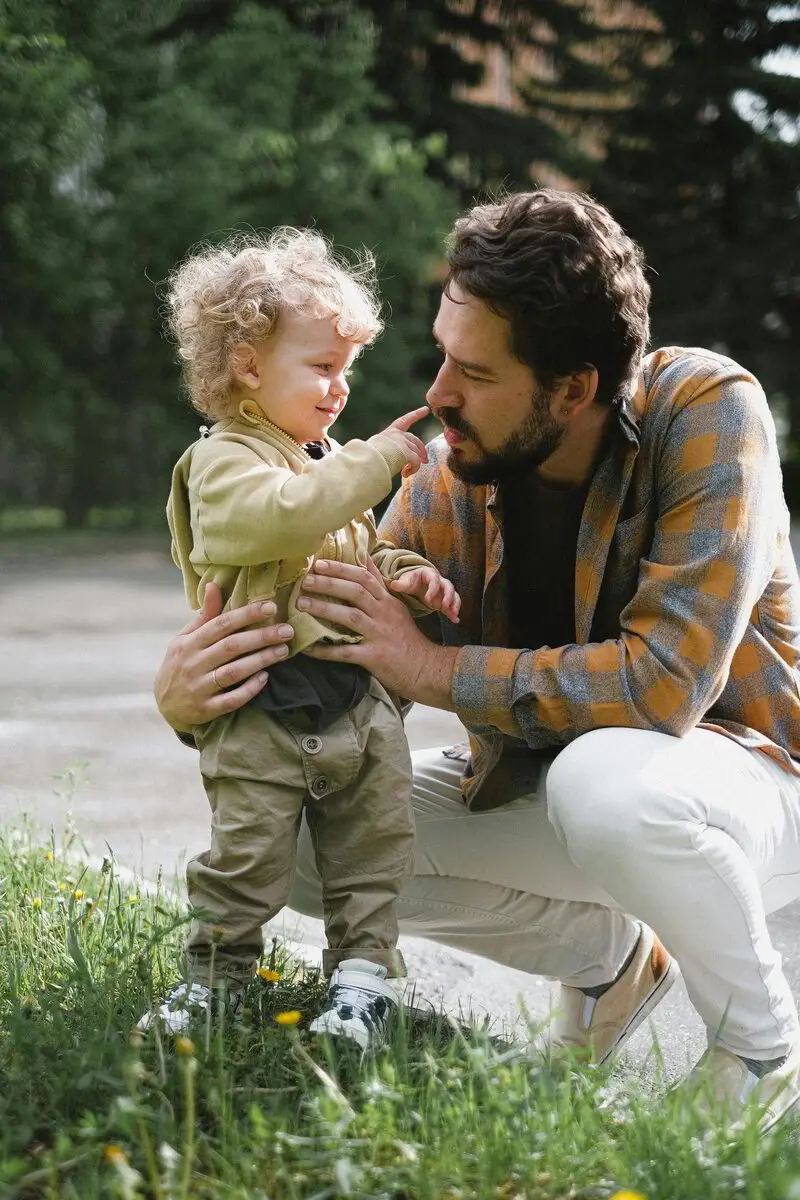
A good apology is simple and specific. Avoid “I’m sorry, but…” which cancels the apology. Kneel down to their level if they’re small, look them in the eye and keep it short.
Apologies work best when your behavior changes afterward. If you apologize for yelling every night but keep yelling, the words lose meaning. Pair the apology with a real effort, and let your child see you working on it.
Name it
“I yelled at you when you spilled the milk.”
Own it
“That wasn’t okay. It was an accident, and I overreacted.”
Repair it
“I’m sorry. Next time, I’m going to take a breath first.”
Reconnect
“Can I have a hug? Let’s clean it up together.”
Lesson three: childhood moves fast
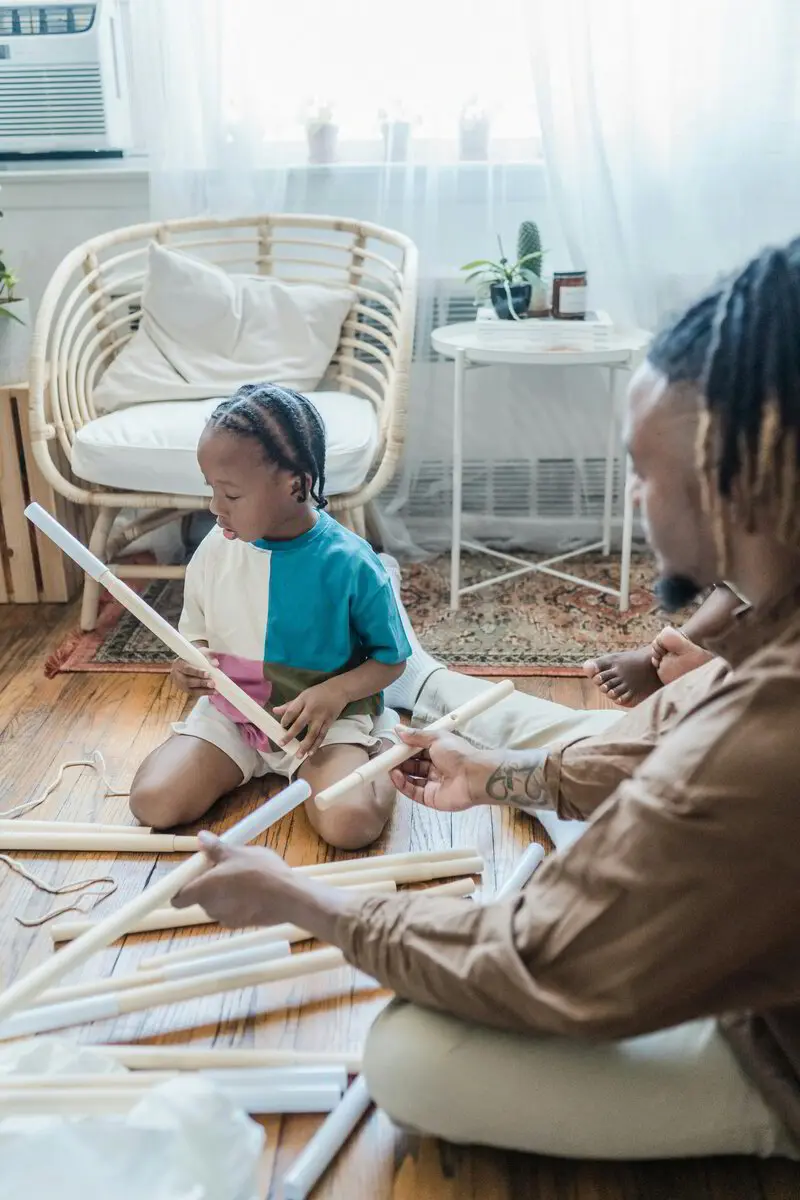
The days can feel long, but the years fly by. Many fathers realize too late that their kids grew up while they were waiting for the right moment to connect. The good news is that connection rarely needs a grand gesture. It lives in the ordinary: the bedtime story, the drive to practice, the Saturday morning pancakes.
Put down the phone during these moments. Kids notice when they compete with a screen. Try turning off notifications in the evening, keeping phones out of the dinner table area, and giving your full attention for even ten minutes a day. Our father-child activities page has quick ideas, and crafting family traditions shows how small rituals become lifelong memories.
- A two-minute chat at bedtime about the best part of the day
- Walking the dog together after dinner
- A weekly breakfast date with each child
- Singing in the car on the way to school
Kids learn by watching, not by listening
You can tell your kids to be kind, honest and calm a thousand times, but they’ll learn far more from watching how you treat a waiter, how you talk about your coworkers and how you react when traffic backs up. Modeling is the most powerful teaching tool a father has.
Take an honest look at your own behavior. Do you handle frustration the way you want your kids to? Do you keep promises? Do you treat your partner or co-parent with respect? Small changes here have big ripple effects. If you notice patterns from your own upbringing that you don’t want to pass on, our page on emotional and mental health can help you start addressing them.
Modeling includes how you care for yourself. When your kids see you exercise, rest, ask for help and talk about your feelings, they learn that those things are normal parts of being a healthy adult, including a healthy man.
Putting these essential fatherhood lessons into practice
Pick one lesson to focus on this week. Maybe you’ll apologize the next time you lose your temper. Maybe you’ll put the phone in another room for dinner every night. Maybe you’ll pay attention to how your reactions show up in your kids. Small, consistent steps lead to lasting change.
At the end of the week, reflect: What did I notice? What changed? What do I want to try next? Writing a few notes helps. Share your experiences with other fathers too. Phenomenal Fatherhood’s community and the 24/7 room are good places to swap stories, encouragement and lessons learned with other dads.
The legacy you are already building
Whether you think about it or not, you’re building a legacy every day. Your kids will carry pieces of you into their own relationships and, someday, their own parenting. That’s not meant to be heavy; it’s an opportunity. Every patient response, sincere apology and ordinary moment of attention is a deposit in that legacy.
Want more guidance? Our free short book, “Positive Discipline Methods,” covers healthy routines and emotional challenges, and our parenting tips section offers more practical advice for every stage.
FAQ
Questions dads ask
Should a father apologize to his child?
Yes. A sincere, specific apology builds trust, shows that adults take responsibility and teaches children how to repair relationships. It strengthens your authority rather than weakening it.
How do I build a legacy as a dad?
Through everyday behavior: how you handle emotions, whether you keep promises, how you treat others, and the regular time and attention you give your kids. Small, consistent actions matter most.
Do kids learn more from what you do or what you say?
Children learn heavily from observing. They tend to copy how you handle stress, treat people and solve problems, so modeling the behavior you want is one of the most effective teaching tools.
How do I make the most of time with my kids?
Focus on everyday moments: put your phone away, give full attention during routines like meals and bedtime, and create simple rituals your kids can count on.