
What transformational fatherhood means
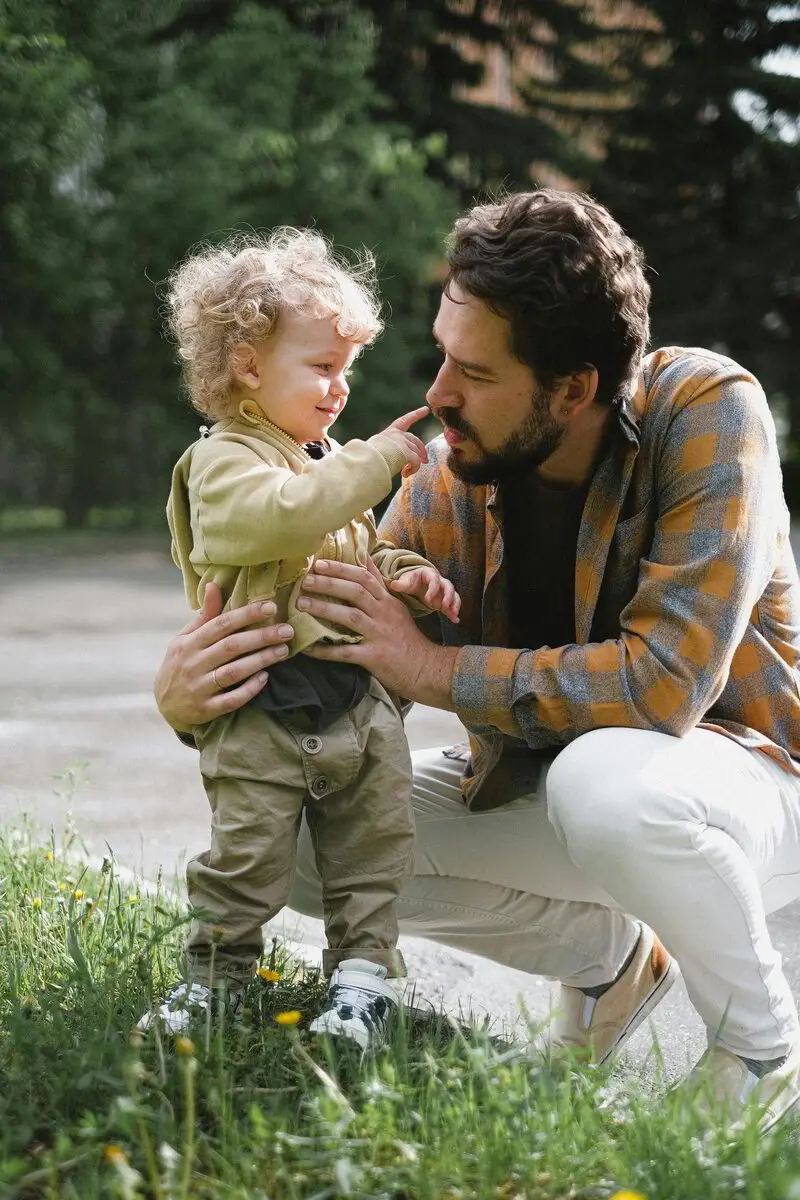
Some men approach fatherhood mainly as a list of responsibilities: provide, protect, discipline. Those matter. But fatherhood also works on you from the inside. It tests your patience, exposes your insecurities and asks you to love someone who can’t give much back yet.
Fathers who lean into that process often describe becoming more patient, more humble and more emotionally aware than they ever expected. That growth doesn’t happen automatically, though. It takes attention and a willingness to look honestly at yourself.
There’s no finish line here. A dad who has grown a great deal through the toddler years may find the teenage years test him in completely new ways. Each stage brings fresh chances to learn something about yourself, and that ongoing process is part of what makes fatherhood so meaningful.
Self-awareness: knowing what you bring
Every father brings his own history into parenting: how he was raised, what he was praised or punished for, what he never received. Without awareness, those experiences shape reactions in ways we don’t notice. A dad who was criticized harshly may feel a flash of rage when his child talks back. A dad who felt ignored may overreact when his kids don’t listen.
Building self-awareness starts with noticing patterns. When you react more strongly than a situation calls for, pause later and ask: What was I really feeling? When have I felt this before? That simple practice can reveal old wounds that need attention so they don’t get projected onto your children.
- Keep a short journal of moments when you overreacted.
- Look for themes: certain behaviors, times of day, feelings.
- Ask your partner what patterns they notice, and listen without defending.
- Consider counseling to explore deeper roots.
Breaking the patterns you inherited
Many fathers make a quiet promise: “I won’t do to my kids what was done to me.” Keeping it takes more than good intentions, because stress pulls us back toward familiar behavior. Breaking a cycle usually means learning new skills, practicing them repeatedly and getting support.
Counseling can be especially helpful for fathers who experienced abuse, neglect or significant loss. A therapist can help you understand how the past affects you now and build healthier responses. Our counseling services page describes the different kinds of help available. Courage here isn’t about never struggling; it’s about choosing to face what’s hard for the sake of your kids.
Sometimes breaking a cycle also means talking with your kids about it, in age-appropriate ways. A simple “I grew up in a home where people yelled a lot, and I’m working on doing it differently” helps children understand your efforts and invites them to give you grace when you slip.
From controlling behavior to protecting connection
A common shift in transformational fatherhood is moving from focusing on controlling your children’s behavior to protecting your connection with them. Control-focused parenting asks, “How do I make them obey?” Connection-focused parenting asks, “What does my child need, and how do I guide them while keeping our relationship strong?”
This doesn’t mean abandoning rules. It means seeing misbehavior as a signal and a chance to teach, rather than a threat to your authority. When kids trust that their relationship with dad is secure, they’re usually more cooperative, more honest and more willing to come to you for help. Our page on supporting emotional health in children explores this further.
Vulnerability as strength
Many men were taught that showing emotion is weakness. Yet emotional honesty is one of the most powerful things a father can model. When kids see their dad say, “I’m sad,” “I was wrong,” or “I’m scared, but I’m going to try anyway,” they learn that feelings are part of being human and that strength includes facing them.
Vulnerability doesn’t mean oversharing adult worries with children. It means being real in age-appropriate ways and showing how you handle emotions in healthy ways. That honesty often deepens your relationships and makes your home a safer place for everyone to be themselves.
With young kids
“I feel frustrated right now. I’m going to take three deep breaths.”
With older kids
“I made a mistake in how I handled that. I’m sorry, and here’s what I’ll do differently.”
With your partner
“I’ve been struggling lately and I want to talk about it.”
Practices that support your growth
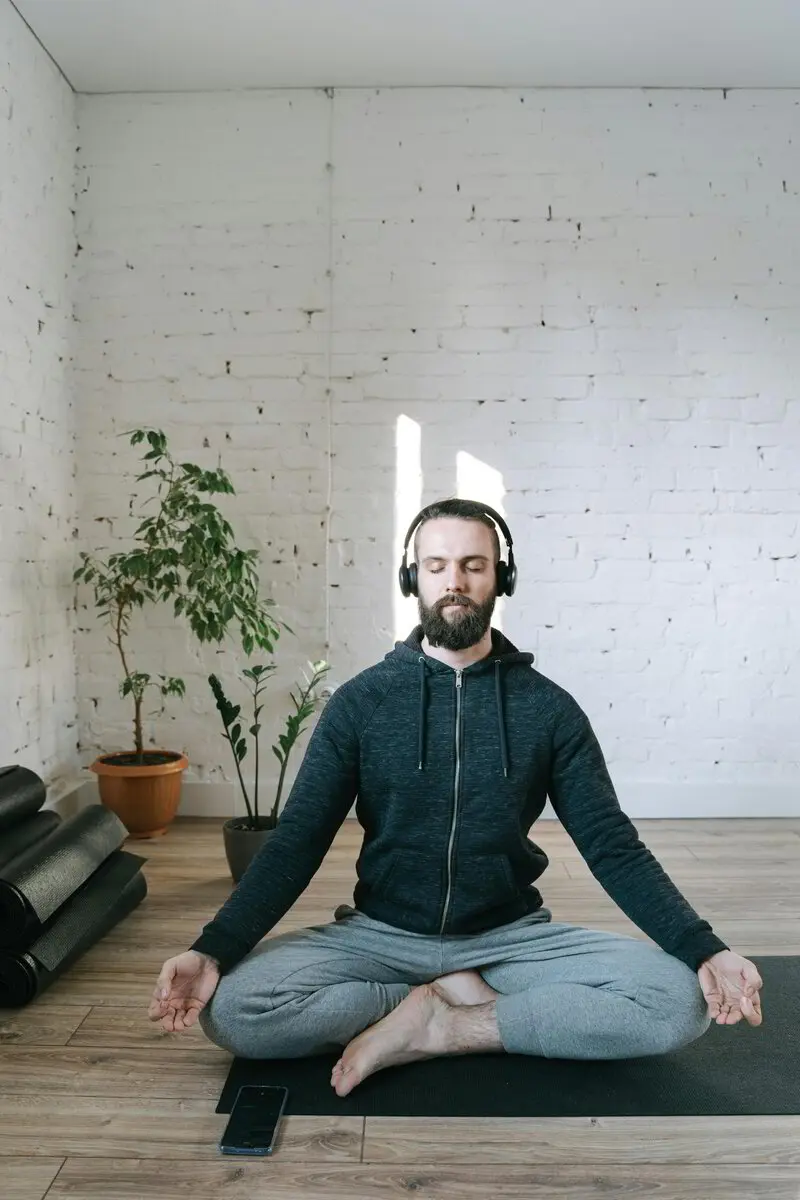
Growth happens through regular practice. Some fathers find journaling helps them process emotions. Others rely on exercise, prayer or meditation, or regular conversations with trusted friends. Many benefit from counseling or men’s groups where they can talk honestly.
Connecting with other fathers who are also working on themselves can be especially powerful. Phenomenal Fatherhood’s community and the always-open 24/7 room give dads a place to share struggles and growth, and Ask a Dad connects members with experienced fathers. Our personal growth resources and parental self-care strategies pages offer more ways to keep growing. If you ever feel overwhelmed or hopeless, call or text 988.
FAQ
Questions dads ask
How does becoming a father change a man?
Fatherhood often challenges a man’s patience, priorities and emotional habits. Dads who reflect on those challenges commonly grow more patient, humble, self-aware and emotionally open over time.
How do I stop projecting my childhood onto my kids?
Notice when your reactions feel stronger than the situation calls for, reflect on where those feelings come from, practice new responses and consider counseling to work through deeper experiences.
Is vulnerability a weakness for fathers?
No. Age-appropriate emotional honesty models healthy emotional skills for kids, builds trust and shows that strength includes facing feelings rather than hiding them.
What practices help fathers grow emotionally?
Journaling, exercise, prayer or meditation, honest conversations with trusted friends, men’s or fathers’ groups, and counseling are all helpful practices for ongoing growth.