
FATHERHOOD JOURNEY
Some lessons only show up after you’ve been a dad for a while. These fatherhood insights come from the kinds of conversations fathers have in our community late at night: the stuff about presence, mistakes, pride and the example we set without meaning to. None of it is complicated. All of it takes practice.
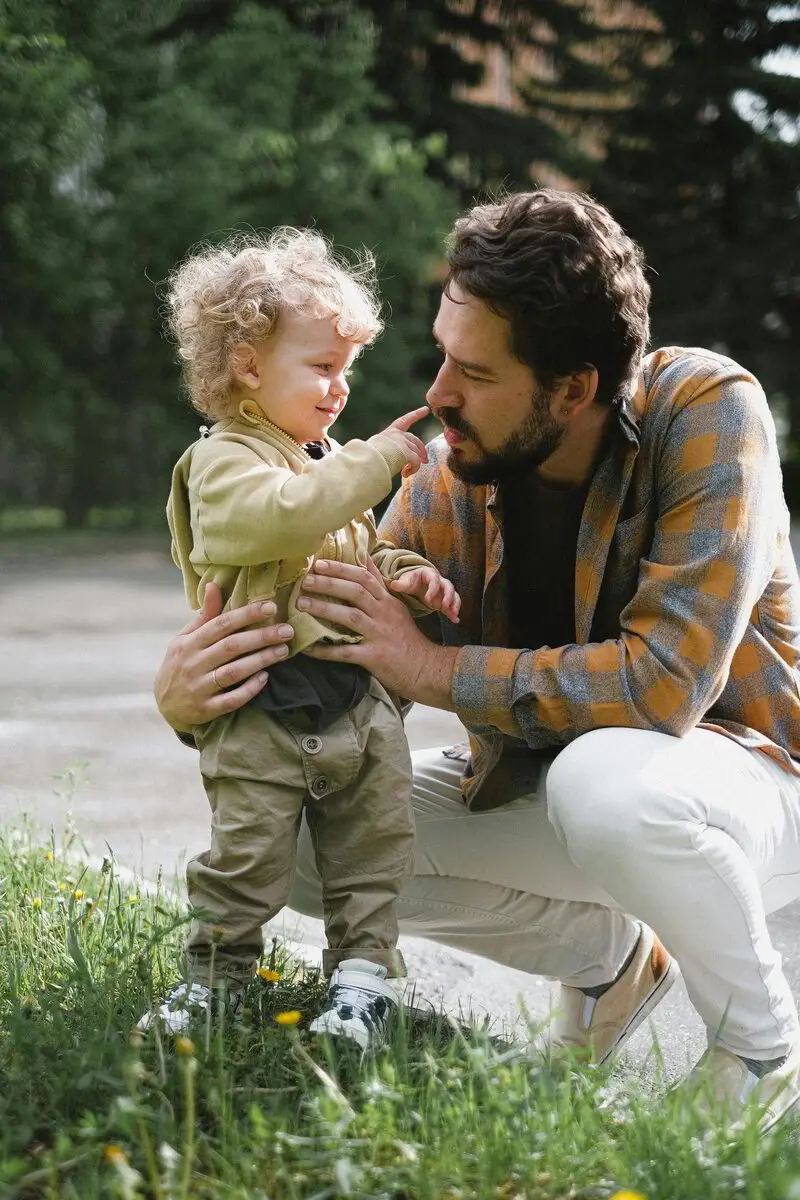
Ask grown adults about their fathers and they rarely mention what he bought them. They talk about whether he showed up, whether he listened, and whether home felt safe. Your child is forming that memory right now.
That’s freeing. You don’t need a perfect plan. You need regular, ordinary presence: eating together, being at some of the games, putting the phone down when they talk.
Every dad loses his temper sometimes. What matters is what happens next. Going back to your child and saying “I yelled, and that wasn’t okay. I’m sorry. Let’s try again” teaches them that mistakes can be fixed and that strong people own their behavior.
Repair also lowers the temperature next time. Kids who trust that conflict ends in reconnection argue less fiercely. For tools on calmer discipline, see discipline and positive reinforcement.
Children learn more from what you do than from what you say. How you speak to their mother, how you handle a referee’s bad call, how you treat a server at a restaurant: all of it becomes their template.
If you want a kid who reads, let them see you read. If you want a kid who can name their feelings, name yours out loud: “I’m frustrated about work, so I’m going to take a walk before dinner.”
Many men were raised to handle things alone. Fatherhood is too big for that. The dads who seem steady usually have people they call: a brother, a friend, a pastor, a counselor or a group of fathers.
Phenomenal Fatherhood was built around that idea. The community, the 24/7 room and Ask a Dad exist so you have someone to talk to. When the issue is bigger than peer support, counseling services are a sign of strength, not weakness.
On a long Tuesday with a sick toddler, the years feel endless. Then one day your child is packing for college. Dads who have been through it often say the same thing: the ordinary days were the important ones.
You can’t slow time, but you can notice it. Take the photo, finish the story at bedtime even when you’re tired, and say yes to the extra round of tag when you can. Those small yeses add up to a childhood.
For more structured ideas, browse parenting tips or the effective communication strategies page.
FAQ
Be reliably present. Kids thrive when they know their dad will show up, listen and stay calm enough to help. Skills and resources matter, but presence is the foundation.
Wait until you are both calm, name what you did without excuses, apologize, and talk about what you will both try next time. Keep it short for younger kids. Then reconnect with something warm, like a hug or a game.
A lot. Children copy behavior long before they understand reasons. Your habits around anger, work, respect and health become their defaults unless something else replaces them.
Shrink the goal. Ten minutes of full attention, phone in another room, counts. Pair presence with routines you already have, like meals, baths and drives, so it doesn’t require extra energy.
Keep going
The Fatherhood Journey, Stage by StageThe stages of fatherhood bring new questions at every age. See what changes from newborn to teen years and where to find support. Explore the stage you’re in.Experienced Dads: Still Learning, Ready to LeadFor experienced dads: handling tweens and teens, blended families, burnout, and mentoring new fathers through peer support. See how you can pass it on. Parenting Tips for Dads Who Want What WorksPractical parenting tips for dads on discipline, communication, routines, teens, confidence and work-life balance. Pick one problem and try one fix this week.Effective Communication Strategies for FamiliesFamily communication strategies that work: active listening, clear directions kids follow, a calm tone in conflict and weekly check-ins. Tools for dads.Discipline and Positive ReinforcementPositive reinforcement for kids, plus fair consequences that work: praise that sticks, reward charts, time-outs and staying calm. A dad's guide to discipline.
Ask a question, meet other dads in the 24/7 room, or join the community for resources and support at every stage.
Join our 24/7 Room to meet and talk with other dads
Join Today