
Parenting Tips
Discipline comes from a word meaning “to teach,” not “to punish.” The goal is a kid who behaves well because they understand why, not just because they're afraid of getting caught. Positive reinforcement for kids, catching them doing things right and noticing it, does most of the heavy lifting. Clear, calm consequences handle the rest.
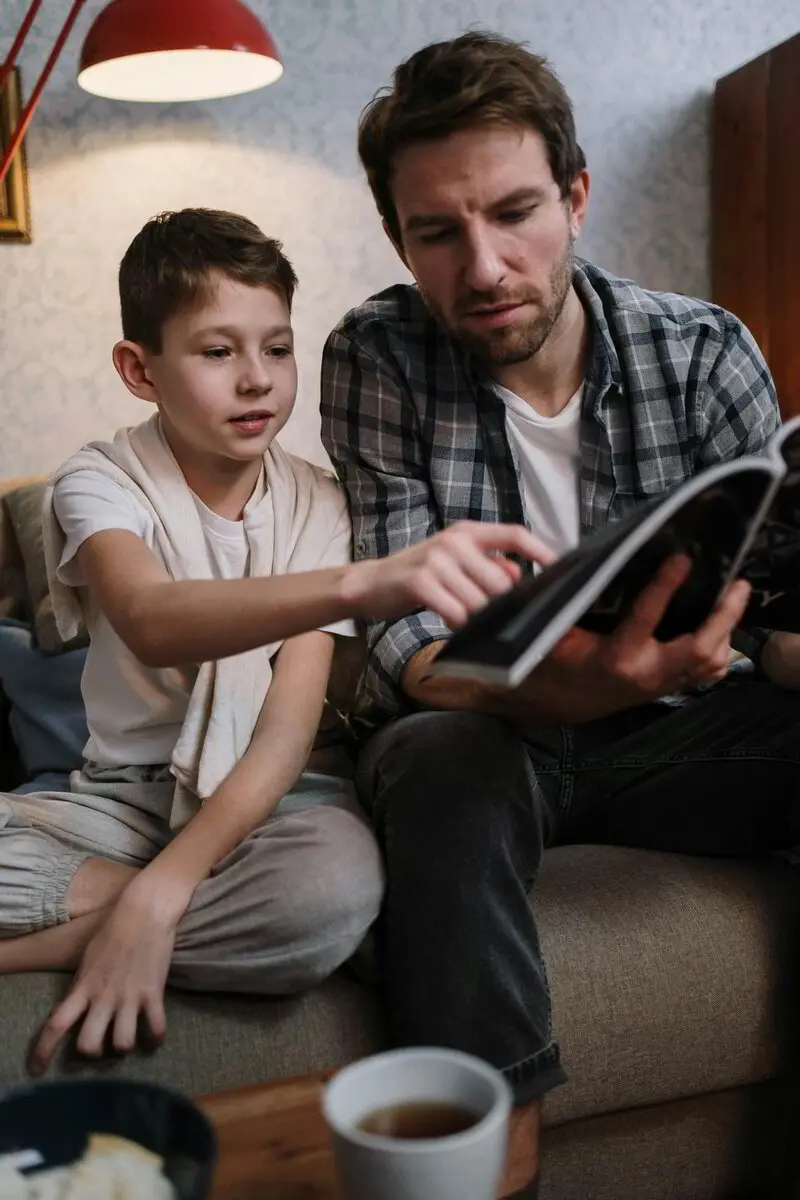
Children repeat behaviors that get attention. If the only time they get your full focus is when they're misbehaving, they'll misbehave more. Flip it: give lots of attention to the behavior you want, and keep your reaction to minor misbehavior short and boring.
Effective praise is specific and sincere. “Thanks for putting your plate in the sink without being asked” teaches more than “Good job.” Aim for several positive comments for every correction.
Sticker charts can help with a specific new habit, like staying in bed or getting dressed independently. Keep them simple: one or two behaviors, a reward that comes quickly for young kids, and a plan to phase the chart out once the habit sticks.
Avoid rewarding every expected behavior, and don't take away stickers already earned. That turns a motivation tool into another punishment.
Whatever you choose, follow through every time. One consistent consequence beats a dozen idle threats.
Refuse a coat, feel cold. Leave a bike in the rain, deal with rust. Use these when they're safe and not too costly.
Related to the behavior: throw a toy, the toy goes on the shelf for the afternoon. Draw on the wall, help scrub it off.
A short break to calm down, about a minute per year of age for young kids, or sitting together quietly until they're ready to talk.
For older kids, losing screen time or a planned outing, stated calmly and enforced without extra lectures.
Yelling, threats, and physical punishment may stop behavior in the moment, but they tend to increase fear, defiance, and aggression over time. The American Academy of Pediatrics advises against spanking. When you feel your temper rising, step back, breathe, and take a break if you need one. It's fine to say, “I'm going to calm down, then we'll talk.”
If you lose it, repair. Apologize for how you reacted, while still holding the limit. Kids learn how to make things right by watching you do it.
Plan ahead for your hot spots. If the after-work hour is when you snap, build in a ten-minute buffer before you walk in the door, or agree with your partner that you'll swap off when one of you is fried. Knowing your patterns makes calm responses much easier.
Toddlers need redirection and simple, immediate consequences. Preschoolers can understand basic rules and short explanations. School-age kids can help set family rules and consequences. Teens respond best to negotiation and logical consequences tied to trust.
Phenomenal Fatherhood's free short book, “Positive Discipline Methods,” goes deeper on routines and emotional challenges. Related reading: managing behavior and discipline, parenting styles and techniques, and effective communication strategies. If behavior problems are severe or persistent, talk with your pediatrician or a family counselor.
FAQ
It's noticing and responding to the behavior you want to see, with specific praise, attention, or small rewards, so children are more likely to repeat it.
They can help build a specific new habit when they're simple, rewards come quickly, and you phase them out once the behavior sticks. They work less well for vague goals like “be good.”
Occasional raised voices happen in every family, but frequent yelling tends to increase anxiety and defiance. Aim to stay calm, take breaks when needed, and apologize when you lose your temper.
The American Academy of Pediatrics recommends against spanking and other physical punishment. Positive reinforcement and consistent, non-physical consequences are more effective over time.
Keep going
Parenting Tips for Dads Who Want What WorksPractical parenting tips for dads on discipline, communication, routines, teens, confidence and work-life balance. Pick one problem and try one fix this week. Managing Behavior and DisciplineManaging child behavior without yelling: what this video series covers, how to handle tantrums and defiance calmly and consistent discipline for dads.Parenting Styles and TechniquesParenting styles explained for dads: authoritative, authoritarian, permissive and uninvolved, how warmth and structure fit together and finding common ground.Effective Communication Strategies for FamiliesFamily communication strategies that work: active listening, clear directions kids follow, a calm tone in conflict and weekly check-ins. Tools for dads.
Ask a question, meet other dads in the 24/7 room, or join the community for resources and support at every stage.
Join our 24/7 Room to meet and talk with other dads
Join Today