
Furniture
Somewhere between climbing out of the crib and asking for a desk for homework, your child’s room changes completely. Kids bedroom furniture has to handle jumping, hiding, sleepovers and growth spurts, while staying safe. This guide covers the big-kid bed transition, bunk beds, storage kids can manage on their own and desks that fit, plus the anchoring step you should never skip.
Ask a Dad
Reach out and we’ll connect you with an experienced father or point you to the right next step.
Send a MessageMany kids move out of the crib between about 18 months and three and a half years. Common signals are climbing out or simply outgrowing the crib. There is no prize for moving early; a toddler who stays in a crib usually stays in bed.
A toddler bed uses the crib mattress and sits low. A twin bed lasts longer but needs a guardrail at first. Either way, put the bed against a wall, away from windows and cords, and do a room sweep at toddler eye level: anything they could climb, pull or open at night now matters.
If you want kids to clean up, give them furniture at their height: low open shelves, bins with picture labels, hooks for backpacks and jackets. Toy chests should have a lid that stays open in any position and ventilation holes, or no lid at all, to prevent pinched fingers and entrapment.
Every dresser and bookshelf in a kid’s room gets anchored to a wall stud, no exceptions. Kids use drawers as ladders to reach the top. Keep the TV out of the bedroom or mounted securely.
A desk that fits makes homework less of a battle. When your child sits, feet should rest flat on the floor or a footrest, knees at about a right angle and the desktop near elbow height. Adjustable desks and chairs cover more years. Good lighting and a spot for supplies matter more than size. If space is tight, a wall-mounted fold-down desk or the kitchen table with a supply caddy works fine. Some kids focus better near a parent anyway, so do not assume the bedroom is the only homework spot.
For routines that make that desk get used, see establishing routines and homework help and supporting academic and personal growth.
Kids rooms take abuse, so favor solid joints, wipeable finishes and simple designs your child will not outgrow emotionally in two years. A plain twin bed with a fun bedspread lasts longer than a themed bed. Let your child pick the bedding, wall art or a reading lamp. They get ownership of the room, and you avoid replacing big furniture when the favorite character changes. Secondhand dressers, shelves and desks are great finds; check for stability and anchor them. For younger kids’ rooms, see nursery furniture. This page is part of the furniture guide.
FAQ
Many children transition between about 18 months and three and a half years. Common signs include climbing out of the crib or outgrowing it. If your child is safe and sleeping well, there is no need to rush.
Bunk beds can be safe with the right setup, but children under six should not sleep on the top bunk. Use guardrails on both sides, the correct mattress size and clear rules against horseplay.
When seated, your child’s feet should rest flat, knees bent about 90 degrees, and forearms on the desk near elbow height. Adjustable desks and chairs make it easier to keep that fit as they grow.
Keep going
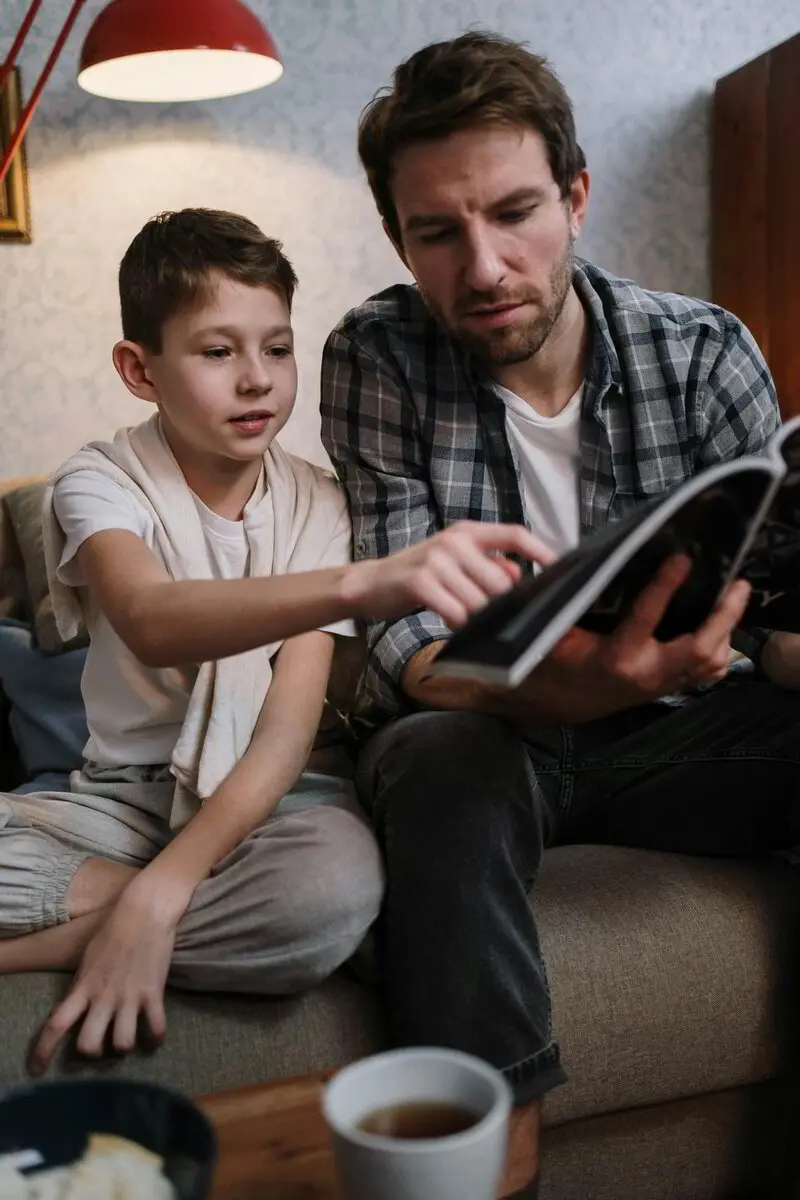 Establishing Routines and Homework HelpBuild a homework routine for kids that ends the nightly fight: when and where to work, how much to help, and calmer mornings and bedtimes. Try it this week.
 Balancing Life With a ToddlerBalancing life with a toddler: keeping your energy, your relationship and your sanity during the twos and threes. What this webinar covers and what to try.
Ask a question, meet other dads in the 24/7 room, or join the community for resources and support at every stage.
Join our 24/7 Room to meet and talk with other dads
Join Today