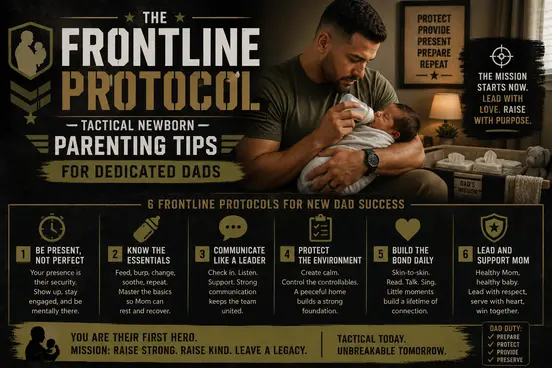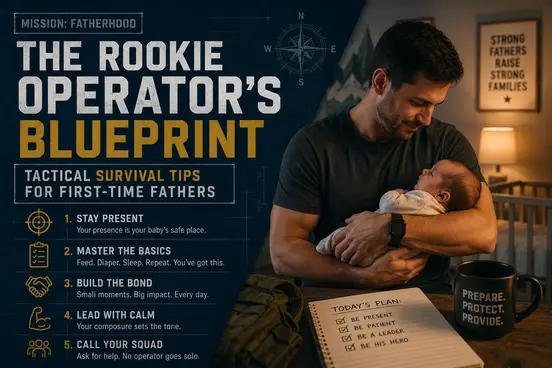
Why Your Bond Matters From Day One
Babies learn about the world through the people who care for them. When you respond to a cry, hold your baby close, or make silly faces until you get a smile back, you are teaching a lesson: this person is safe, and my needs get met. That sense of security becomes the base your child builds on as they start exploring, talking and making friends.
Dads sometimes assume bonding is mainly mom’s territory, especially if she is breastfeeding. It is not. Babies form attachments to more than one caregiver, and the way fathers tend to play, talk and soothe gives children a different and valuable kind of connection.
Before Birth: Getting a Head Start
Bonding can begin while your partner is still pregnant. Talk to the bump, read the same short story every night, or put your hand on her belly when the baby is active. It may feel strange, but it gives you a ritual to carry into the newborn days. Our prenatal preparation guide covers more ways to get ready.
Weeks 0 to 6: Skin, Smell and Voice
Newborns know the world through touch, smell and sound. Skin-to-skin contact is one of the easiest bonding tools you have: take off your shirt, place your baby in just a diaper on your chest, and cover you both with a blanket. Many dads find this is when they first feel the connection click.
Take ownership of at least one daily care task. Bath time, the first diaper change of the morning, or a late-evening feeding with pumped milk or formula all give you regular, one-on-one time. Our newborn care survival guide for new dads walks through the hands-on skills.
- Do skin-to-skin while you are awake and alert, and follow safe sleep rules when baby dozes off.
- Narrate what you are doing: “Now we’re putting on your socks.”
- Hum or sing the same tune at bedtime so your voice becomes a cue for calm.
Months 2 to 6: Face Time and Back-and-Forth
Somewhere in these months, your baby starts smiling on purpose, cooing and tracking your face. This is when face-to-face play pays off. Hold your baby about a foot from your face, make a sound, then pause and wait. When they coo back, answer. This back-and-forth is an early form of conversation, and you are teaching turn-taking without a single lesson plan.
Tummy time on your chest, gentle bouncing, and peekaboo all count. Watch for signs your baby has had enough, like turning away, fussing or arching. Responding to those cues by slowing down is part of bonding too.
Months 6 to 12: Play, Routine and Comfort
As your baby sits, crawls and starts to pull up, play becomes physical and fun. Roll a ball back and forth, stack and knock down blocks, or give a supervised bath with cups to pour. Babies at this age may also show stranger anxiety and get clingy, which is a sign their attachments are working.
Routines help here. A predictable bedtime with you, a Saturday morning walk, or a song you always sing at diaper changes give your child moments to look forward to. For more age-specific ideas, browse our early development bonding activities.
Father-Baby Bonding When It Doesn’t Feel Natural
Not every dad feels a rush of love in the delivery room. Some fathers feel numb, overwhelmed or even a little disconnected for weeks. That does not mean something is wrong with you. Bonding often grows from care, not the other way around, so keep showing up for feedings, baths and cuddles.
If the disconnection comes with constant sadness, irritability or hopelessness, talk to your doctor. Dads can experience postpartum depression too, and Postpartum Support International (1-800-944-4773) offers support for fathers. You can also connect with other dads in Phenomenal Fatherhood’s online community or drop into the 24/7 Phenomenal Fatherhood Room any time. See our page on emotional support and family bonding for more.
FAQ
Questions dads ask
How can a dad bond with a newborn if mom is breastfeeding?
Take over other care routines such as bathing, diaper changes, burping after feeds, and settling the baby back to sleep. Skin-to-skin time, carrying your baby in a carrier, and talking or singing during these moments build a strong connection without feeding.
Is it normal for dads not to feel bonded right away?
Yes. Many fathers say the bond grew gradually over weeks or months. Staying involved in daily care is what builds it. If you feel persistently low or detached, talk with a doctor or counselor.
Does skin-to-skin contact work for fathers?
Yes. Skin-to-skin is not limited to mothers. Holding your baby against your bare chest while you are awake is a calming, close experience for both of you. Move your baby to a safe sleep space if either of you gets drowsy.
How much time do I need to bond with my baby?
There is no magic number. Short, regular moments such as a daily bath or bedtime song matter more than occasional long stretches. Consistency is what helps your baby recognize and trust you.
What if I work long hours and miss most of the day?
Claim a slot that is yours no matter what, such as the bedtime routine, the first feed after you get home, or Saturday and Sunday mornings. A carrier walk around the block when you walk in the door can become a calming ritual for both of you. Protect that slot the way you would protect an important meeting, and let your partner know you want it. What your baby remembers is the pattern: the same voice, the same song and the same arms showing up day after day.