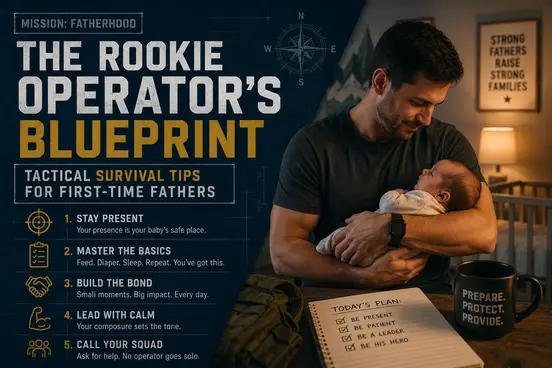

First Trimester: Show Up Early and Listen
The first twelve weeks can be hard on your partner even when nothing shows yet. Nausea, exhaustion and nerves are common, and many couples keep the news private, which means she may have less support than usual. Your job right now is simple: be the steady one. Take over the chores that smell bad, keep easy snacks around, and ask how she is doing every day rather than waiting for her to bring it up.
Go to the first prenatal appointments if you can. Hearing the heartbeat changes how real this feels for a lot of dads, and it also shows your partner you are in it with her. Write your questions down beforehand so you are not trying to remember them in the exam room.
- Put every prenatal appointment in your own calendar, not just hers.
- Start a shared note for questions to ask the doctor or midwife.
- Cut back on late nights and weekend plans that leave her alone with the hard days.
Second Trimester: Build the Foundation at Home
Energy often returns in the middle months, which makes this the time for projects. Clear out the room or corner where the baby will sleep, sort out what you already have, and make a short list of what you truly need. Resist the urge to buy everything; babies need far less than the stores suggest. Our newborn essentials and home preparation guide breaks down the must-haves.
This is also the moment to look at money. Check how your health insurance covers delivery and newborn care, find out what parental leave your employer offers, and sketch a basic monthly budget that includes diapers, wipes, formula or feeding supplies, and childcare if you will need it. For a deeper walkthrough, read our father’s guide to financial planning for a growing family.
Third Trimester: Practice the Skills Before You Need Them
Nobody is born knowing how to swaddle. The good news is that the basic newborn skills are learnable in an afternoon and get easier with repetition. Borrow a doll or use a rolled towel and practice holding with head support, changing a diaper, swaddling and burping. Many hospitals offer childbirth and newborn care classes; take one together if you can.
Learn safe sleep now, before you are exhausted. The NIH Safe to Sleep campaign recommends placing babies on their backs, alone, in a crib or bassinet with a firm, flat mattress and no pillows, bumpers or loose blankets. Install the car seat early and have it checked; NHTSA lists inspection stations at nhtsa.gov/carseat.
- Pack the hospital bag by week 36, including snacks and phone chargers for you.
- Map the route to the hospital and know where to park.
- Agree on who will handle visitors and phone updates after the birth.
- Prepare a few freezer meals for the first weeks home.
Bonding With Your Baby Before Birth
Your baby can hear sounds from outside the womb later in pregnancy, which means your voice can become familiar before you ever meet. Talk to the bump at night. Read a short book out loud. Play the same song before bed. These moments may feel awkward at first, but they help you settle into the role as much as they help the baby.
Bonding with your child also happens through your partner. Rubbing her back, attending appointments and joining the planning conversations all build the family you are about to become. If you want ideas for after the birth, our article on emotional bonding with your baby picks up where this one ends.
How to Prepare for Fatherhood During Pregnancy Without Burning Out
Expectant fathers worry: about money, about the birth, about whether they will be any good at this. That is normal. What helps is saying it out loud to someone who gets it. Phenomenal Fatherhood’s online community and the always-open 24/7 Phenomenal Fatherhood Room give dads a place to talk with other fathers at any hour, and members can use Ask a Dad to be connected with an experienced father for peer insight.
If worry turns into persistent low mood, trouble sleeping beyond the usual, or thoughts of harm, reach out for professional help. Postpartum Support International’s HelpLine (1-800-944-4773) has resources for dads, and you can call or text 988 any time for the Suicide & Crisis Lifeline. You can also explore our prenatal preparation resources for dads.
FAQ
Questions dads ask
What should a dad do during each trimester?
In the first trimester, focus on supporting your partner through fatigue and nausea and attending early appointments. In the second, prepare the home, check insurance and leave, and build a budget. In the third, practice newborn skills, learn safe sleep, install the car seat and pack the hospital bag.
How can I bond with my baby before it is born?
Talk, read or sing to the bump regularly, especially in the later months. Go to ultrasounds and appointments, and be involved in naming and nursery decisions. These habits make the baby feel real to you and give you a routine to continue after birth.
What skills should I learn before the baby arrives?
Practice holding with head support, diapering, swaddling and burping. Learn safe sleep basics from the Safe to Sleep campaign, know how to install the car seat correctly, and understand how to take a temperature and when to call the pediatrician.
Is it normal for expectant fathers to feel anxious?
Yes. Many dads feel a mix of excitement and worry. Talking with your partner and other fathers helps. If anxiety becomes constant or affects sleep and daily life, speak with a doctor or counselor.