
Reviews By Age Group
Preschoolers live in stories. One minute your living room is a pirate ship, the next it is a vet clinic. Preschooler toys and gear should feed that imagination while supporting the big physical leaps of this stage, like balancing on two wheels, using scissors and taking turns in a game. This guide covers what tends to earn its place in a three-to-five-year-old’s life.
Ask a Dad
Reach out and we’ll connect you with an experienced father or point you to the right next step.
Send a MessageOpen-ended toys get the longest use now: blocks, magnetic tiles, figures, a play kitchen, a doctor kit, a dress-up box, a cardboard box that becomes whatever they need. Look for sets that can combine. Animals from one set join the block castle from another.
Simple board and card games with short rounds teach turn-taking, counting and how to lose without falling apart. Expect some meltdowns; that is the skill being practiced. Let your preschooler win sometimes and lose sometimes, and narrate your own reaction when you lose: “Oh, I wanted that card. Next round!” Kids copy what they see far more than what they are told. Puzzles with 12 to 48 pieces are a good range for many kids. Before a puzzle goes back on the shelf, count the pieces together; it doubles as counting practice and keeps sets complete for the next round.
Many kids move to a toddler or twin bed in this window. Choose a low bed with a guardrail, and re-check room safety now that your child can get up at night. Anchored dressers and secured windows matter more than ever.
In the car, most preschoolers are still in a harnessed seat, either rear-facing or forward-facing, depending on their seat’s limits. Do not rush to a booster. A child should stay in a harness until they reach the seat’s top height or weight limit and are mature enough to sit properly for the whole ride. See car seats and boosters.
You do not need expensive programs to get a preschooler ready for school. Child-safe scissors, crayons, glue sticks, picture books and lots of talking cover much of what kindergarten teachers hope for. Self-help skills, like opening a lunch container, using the bathroom alone and putting on a jacket, matter as much as letters.
See the preschool readiness checklist and kindergarten preparation essentials for more.
Preschoolers are past the mouthing stage, but younger siblings may not be. Keep sets with small pieces, magnets or button batteries on high shelves if there is a baby in the house. Secondhand toys are great at this age; check recalls and missing pieces. For more developmental context, visit preschool and early childhood milestones. This page belongs to reviews by age group.
FAQ
Open-ended toys like blocks, magnetic tiles, figures, dress-up clothes and art supplies, plus simple board games, puzzles and a balance or pedal bike with a helmet.
Usually not yet. Keep your child in a harnessed seat until they reach its top height or weight limit and can sit properly for the entire ride. Many kids stay harnessed well past age four.
No. Reading together, drawing, cutting with child-safe scissors, playing games and practicing self-help skills prepare kids well. Expensive programs are optional.
It is normal. Acknowledge the wish (“That truck is really cool”), then add it to a wish list you keep on your phone. Revisiting the list before birthdays often shows that the wish has passed. Avoid shopping trips when your child is tired or hungry.
Keep going
 Preschool Readiness ChecklistA preschool readiness checklist for dads: self-care, separation, routines and play skills to practice before day one, plus tips for choosing a program.
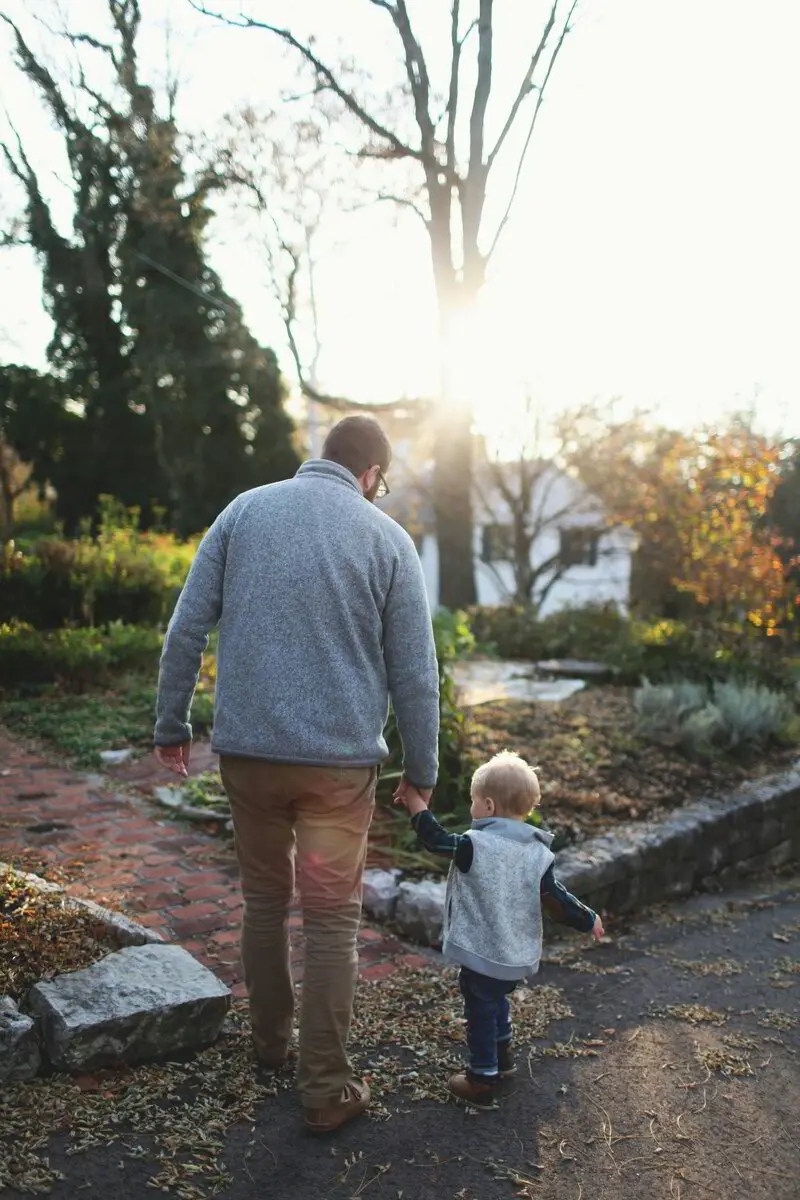 Preschool and Early Childhood Milestones (Ages 3–5)Preschool milestones for ages 3 to 5: language, play, movement and emotional skills, with everyday ways dads can help and signs to discuss with a doctor.
Ask a question, meet other dads in the 24/7 room, or join the community for resources and support at every stage.
Join our 24/7 Room to meet and talk with other dads
Join Today