
Emotional & Mental Health
Mindfulness sounds like something that requires silence and a meditation cushion, which isn't realistic with three kids in the house. But mindfulness for families can be as simple as one slow breath before dinner or noticing five things on a walk. These short practices help kids and parents slow down, notice feelings and handle stress a bit better.
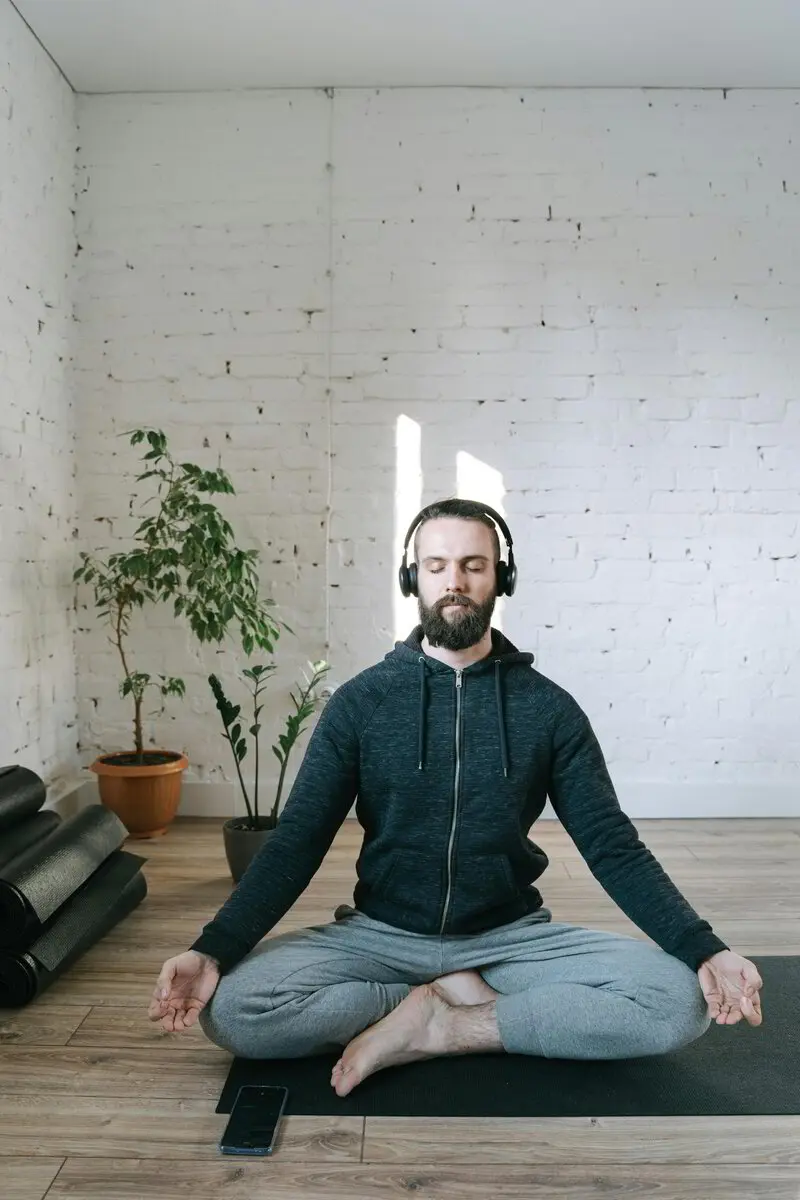
Mindfulness is paying attention to what's happening right now, without judging it. For kids, that might mean noticing how their body feels when they're angry, or really tasting their food.
You don't need to be an expert to start. Practice alongside your kids. Kids learn more from watching you take a deep breath when you're frustrated than from any lesson.
Breathe in slowly through the nose like smelling a flower, then out through the mouth like blowing out a candle. Great for preschoolers.
Lie down with a stuffed animal on your belly and watch it rise and fall with each breath.
Blow bubbles slowly to make the biggest bubble possible.
Trace up and down each finger of one hand, breathing in on the way up and out on the way down.
A calm-down corner is a cozy spot where kids can go to settle big feelings. It's not a punishment. Fill it with a pillow or beanbag, a soft blanket, a few books about feelings, a stress ball and a picture chart of breathing exercises.
Teach your kids to use it when they're calm first, so they know what to do when they're upset. Over time, many kids start going there on their own. The goal is self-regulation, not isolation, so stay nearby if they need you.
Mindful parenting means pausing before reacting. When your child spills juice for the third time, take a breath, notice your frustration, then decide how to respond. It doesn't mean you'll never get angry. It means you'll have a little more space between feeling and reacting.
Try two minutes of quiet breathing in the morning before the kids wake, or during your commute. See stress relief techniques for parents for quick resets, and parent self-care and stress management for the bigger picture.
Attach practices to things you already do. One breath at red lights on the way to school. A gratitude round during bath time. A quick body scan as part of the bedtime routine. A mindful minute before homework starts.
Keep expectations low. Some days your kids will roll their eyes or giggle the whole time. That's fine. Consistency over weeks is what makes a difference.
Mindfulness is a helpful tool, but it's not a treatment for anxiety, depression or other mental health conditions. If your child's worries or emotions are getting in the way of daily life, talk to their pediatrician. Read more about supporting child anxiety and return to the emotional and mental health hub.
FAQ
Start with short, playful activities like breathing games, mindful walks and gratitude rounds. Practice alongside them and keep it to a few minutes at a time.
Take one slow breath together before dinner, or go around the table and share one thing each person is thankful for. Both take less than a minute.
Many families find that breathing and noticing exercises help kids calm down and name their feelings. For ongoing emotional struggles, talk to a pediatrician or counselor.
Keep going
Emotional and Mental Health for Dads and FamiliesMental health for dads and their kids: resilience, family mindfulness, stress and burnout, and child anxiety. Learn the warning signs and where to get help. Stress Relief Techniques for ParentsQuick stress relief techniques for parents to use in the moment: breathing resets, the car-door pause, movement breaks and ways to cool off before you snap.Understanding and Supporting Child AnxietyAnxiety in children explained for dads: what worry looks like by age, how to respond without feeding fears and when to seek professional support. Learn more.Parent Self-Care and Stress ManagementDad burnout and stress management: spot the warning signs of parental burnout, rebuild your energy over time and know when to get professional help. Read on.
 Emotional Development: Raising Kids Who Can Handle Big FeelingsEmotional development in children: how kids learn to name feelings, calm down and show empathy, and how dads can coach them through it. Try one idea today.
Ask a question, meet other dads in the 24/7 room, or join the community for resources and support at every stage.
Join our 24/7 Room to meet and talk with other dads
Join Today