
Work-Life Balance
If every morning feels like a fire drill and every bedtime is a negotiation, the fix is usually a better family routine, not more yelling. Routines tell kids what comes next, which cuts down on arguments and makes the day run smoother. Here's how to build one that fits your family and actually sticks.
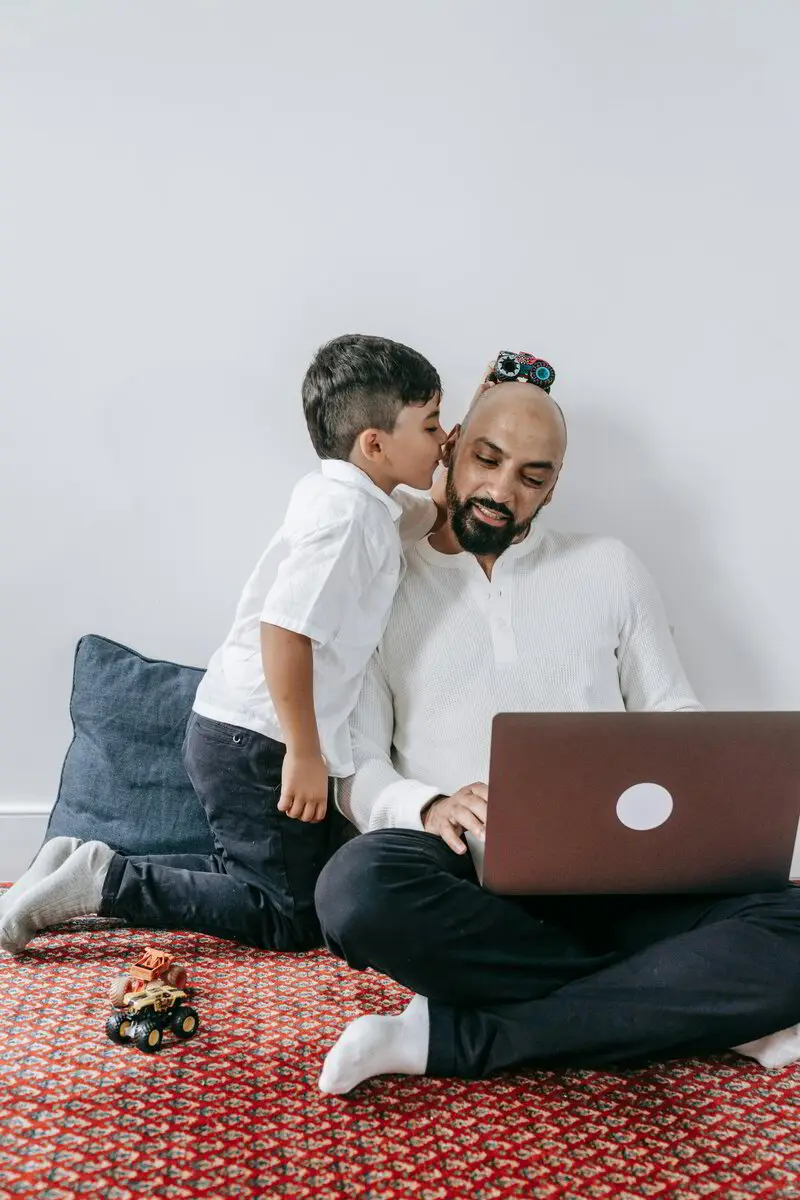
Kids feel safer when they know what to expect. A predictable order of events takes away a lot of the power struggles, because it's not Dad saying “brush your teeth,” it's just what happens after pajamas.
Routines also help parents. When the steps are automatic, you make fewer decisions and have more energy left for the moments that matter.
Mornings go wrong because there's too much to do in too little time. Move as much as you can to the night before: pack lunches and backpacks, lay out clothes, sign forms.
Kids often come home tired and hungry. A predictable after-school rhythm helps: snack, downtime, homework, play, dinner. If you work late, set the routine up with whoever picks the kids up so it runs the same whether you're there or not.
Family dinner, even just a few nights a week, is a great anchor. Keep it simple and screen-free. See establishing routines and homework help for school-age ideas.
A consistent bedtime routine helps kids wind down and fall asleep more easily. Keep it the same order every night: bath, pajamas, teeth, books, a short talk or song, lights out. Aim for 20 to 30 minutes total.
Turn screens off about an hour before bed. Give a five-minute warning before the routine starts. Dads who own bedtime a few nights a week often find it becomes some of their best one-on-one time with their kids.
Bath, pajamas, milk, two books, song, crib.
Shower, pajamas, pack for tomorrow, read together or alone, chat, lights out.
Agreed time for phones to charge outside the bedroom, wind-down time, consistent wake-up.
Weekends don't need a strict schedule, but keeping a few anchors helps. Keep wake-up and bedtime within an hour of weekdays, keep meals at roughly the same times and plan one shared family activity. Too much free time with no structure often leads to more fighting, especially with younger kids.
Use Sunday evening to reset for the week ahead: lay out clothes, check backpacks and look at the calendar together. That small habit makes Monday morning much easier for everyone.
Introduce changes one at a time. Let kids help make the routine chart. Expect pushback for a week or two, and stay consistent. Praise kids when they follow the routine on their own.
Be flexible when life happens. A late night for a family event is fine. Just go back to normal the next day. Co-parents should try to keep bedtime and morning routines similar across homes. More on daily structure is in time management for busy parents, the free short book Positive Discipline Methods on establishing healthy routines, and the main work-life balance strategies page.
FAQ
Routines help kids feel safe, know what to expect, build independence and reduce arguments. They also help with sleep and transitions between activities.
Prepare as much as possible the night before, use a picture chart or checklist, keep the same order every day, keep screens off until everyone is ready and praise them when they do it on their own.
A predictable 20 to 30 minute sequence such as bath, pajamas, teeth, books and a short talk or song, starting at the same time each night with screens off beforehand.
Keep going
Work-Life Balance Strategies for DadsWork-life balance for dads pulled between the job and home: time management, routines, boundaries and stress relief. Find the strategy you need today.Time Management for Busy ParentsTime management for busy parents: plan your week around family anchors, cut hidden time drains and share the mental load at home. Practical tools for dads. Establishing Routines and Homework HelpBuild a homework routine for kids that ends the nightly fight: when and where to work, how much to help, and calmer mornings and bedtimes. Try it this week.
 Balancing Life With a ToddlerBalancing life with a toddler: keeping your energy, your relationship and your sanity during the twos and threes. What this webinar covers and what to try.
Ask a question, meet other dads in the 24/7 room, or join the community for resources and support at every stage.
Join our 24/7 Room to meet and talk with other dads
Join Today