
Why instinct isn’t the whole story
Instinct is mostly memory. When you’re tired and your four-year-old throws a shoe, you’ll reach for whatever your own father did. Sometimes that’s great. Sometimes it’s yelling, silence or a punishment that didn’t fit. Training gives you more options to reach for in those moments.
Kids today also face things previous generations didn’t: phones at age ten, social media pressure, a very different school environment. Even dads who had wonderful fathers find they need new tools. Taking a class isn’t admitting failure; it’s preparing on purpose, the same way you’d prepare for anything else that matters.
What good fatherhood training covers
Programs vary, but strong ones tend to address both the emotional and the practical sides of raising children.
Child development basics
What’s typical at each age, so you don’t expect a toddler to reason like a ten-year-old or punish behavior that is simply normal for the stage.
Emotional regulation
Recognizing your own triggers, calming yourself under stress, and helping kids learn to handle their feelings.
Communication and discipline
Listening skills, giving clear directions, logical consequences and positive reinforcement instead of fear-based control.
Co-parenting
Working as a team with a partner or ex-partner, handling disagreements and keeping kids out of adult conflict.
Practical life skills
Budgeting for a family, managing schedules, health and safety basics, and navigating schools and services.
Fatherhood training formats compared
Choose a format that fits your schedule and learning style. You’ll learn more from a short course you finish than a long one you abandon.
- In-person classes and workshops: hands-on practice, role play and real conversations with other dads. Often offered through hospitals, community centers, nonprofits and faith communities. Browse our parenting skills workshops page.
- Multi-week fatherhood programs: a cohort of dads meeting over several weeks, usually covering a full curriculum. Good for deeper change and accountability. See fatherhood education programs.
- Online courses and webinars: flexible and easy to fit around shift work. Our expert webinars and video series are a low-pressure way to start.
- Books and podcasts: great for building knowledge on your commute, though they work best paired with some kind of practice or discussion.
- Coaching: one-on-one guidance focused on your specific family situation.
How to judge a fatherhood training program
Not every class is worth your evenings. Before enrolling, look at who designed the curriculum and who teaches it. Facilitators with experience working with fathers, and ideally a background in child development, family services or counseling, tend to run more useful sessions.
Ask whether sessions include practice, not just lectures. Role plays, small-group discussion and take-home exercises are signs of a program built to change behavior. Find out whether it welcomes all kinds of fathers, including single dads, stepdads and those co-parenting across two homes, so the examples fit your life.
Finally, look at logistics honestly. A program that meets at 6 p.m. across town may not survive your commute and bedtime routine. Evening virtual sessions or weekend workshops might suit you better. The right program is one you can attend consistently.
Turning lessons into habits
Knowledge alone rarely changes behavior. The dads who get the most from fatherhood training treat it like learning a sport: pick one skill, practice it deliberately, review how it went, and adjust.
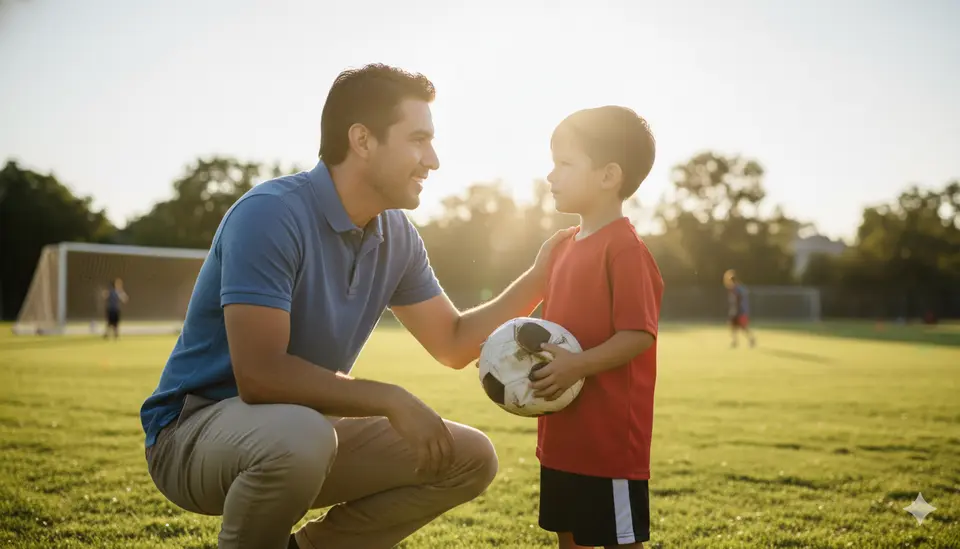
Pick a single skill per week. For example, this week you’ll get down to eye level and give one clear instruction instead of shouting across the room. Write it on a sticky note on the bathroom mirror. At the end of each day, take thirty seconds to ask yourself when you used it and when you forgot.
- Rehearse tough conversations with your partner before they happen.
- Script a few go-to phrases for heated moments, such as “I’m going to take a breath, then we’ll talk.”
- Ask your partner or co-parent for honest feedback once a week.
- Expect to slip. Notice it, repair it with your child, and try again tomorrow.
Healing old patterns and learning for the long haul
Many fathers discover during training that some of their reactions come from their own childhood. If you grew up with harsh discipline, unpredictable anger or emotional distance, you may find certain moments with your kids bring up surprisingly strong feelings.
That’s worth paying attention to. Training can teach new behaviors, but deeper wounds often need a counselor’s help. Working on them is one of the most protective things you can do for your children. Our page on emotional and mental health for dads is a good place to start.
The skills that work with a two-year-old won’t all work with a twelve-year-old. Plan on refreshing your training at each major stage: the newborn months, toddlerhood, school entry, the pre-teen years and adolescence. A short class at each transition keeps you from parenting today’s kid with yesterday’s playbook.
Learning alongside other fathers helps it stick. Phenomenal Fatherhood’s community includes recordings and discussion areas where dads share what they’re working on, and membership includes discounts on fatherhood programs along with premium resources.
FAQ
Questions dads ask
Do dads really need parenting training?
Not every dad needs a formal class, but every dad benefits from learning skills like staying calm, communicating clearly and setting fair limits. Training simply speeds that learning up and gives you options beyond how you were raised.
What do fatherhood classes teach?
Typical topics include child development, emotional regulation, communication, positive discipline, co-parenting, and practical skills like budgeting, routines and safety.
Are online parenting courses for fathers worth it?
They can be, especially if your schedule makes in-person classes hard. Choose courses with practical exercises, and pair them with real-world practice or discussion with other dads.
How can I practice parenting skills at home?
Focus on one skill per week, write a reminder where you’ll see it, review your day briefly each night, ask your partner for feedback, and repair with your child when you slip.