From boss to trusted advisor
When boys are young, dads naturally lead with rules and instructions. As sons grow, that approach needs to shift. A twelve- or fifteen-year-old who feels constantly ordered around tends to push back or shut down. What he needs is a father who still holds firm on what truly matters but increasingly listens, asks questions and offers guidance instead of commands.
That shift is hard if your own father never made it. Many men grew up with a dad who was the unquestioned authority. Becoming a trusted advisor to your son means unlearning some of that model while keeping the strength and stability your son still needs.
What father and son relationship coaching looks like
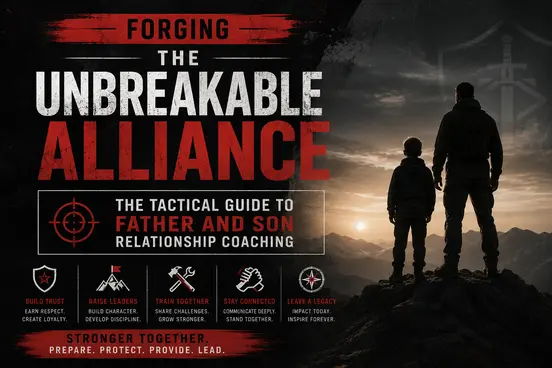
This kind of help comes in a few forms. A licensed family therapist can work with both of you together, especially when there’s significant conflict, a history of hurt or mental health concerns. A parenting coach usually works mostly with the father, helping him change his own approach. Structured father-son programs, sometimes run by community or faith organizations, combine skill-building with shared activities.
Sessions often mix joint and individual time. You might each get a chance to speak without interruption, practice listening to each other, and set small goals together, like one weekly activity or a new way to handle disagreements. The coach or therapist helps keep things fair, so neither of you takes over the conversation.
- Choose a licensed family therapist when there’s a lot of conflict, past hurt, or concerns like depression, substance use or self-harm.
- Choose a parenting coach when you mainly want to change your own patterns and communication.
- Choose a father-son program when you want skill-building plus shared experiences in a group setting.
Communication tools you can start using now
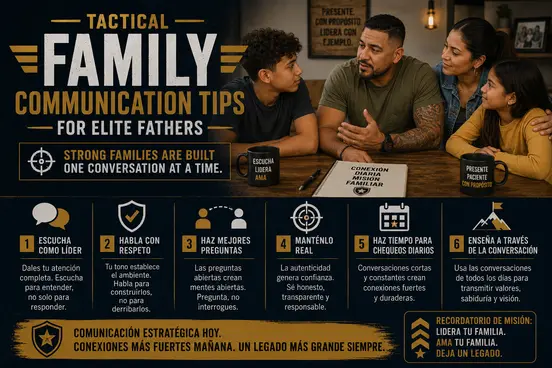
Many boys and young men talk more easily side by side than face to face. Car rides, fishing, working on a project in the garage, or shooting baskets lower the pressure. Use those moments to ask open questions and then let silence do some of the work.
When he does share, resist the urge to lecture. Reflect back what you heard: “Sounds like the coach really embarrassed you.” Ask before offering advice: “Do you want ideas, or do you just need to vent?” That question alone can change how your son experiences talking to you. Our page on building trust and communication with teens has more tools.
Facing the patterns you inherited
Coaching often brings up a dad’s relationship with his own father. If you were raised with harsh criticism, you might find yourself criticizing your son in the same tone without meaning to. If your father was absent, you may not have a picture of what a close father-son relationship looks like.
Naming those patterns is powerful. You can even share some of your story with your son in age-appropriate ways: “My dad yelled a lot, and I’m working hard not to do that with you. Call me on it if I slip.” That kind of honesty strips away ego and models accountability. If old pain feels heavy, individual counseling can help; see our emotional and mental health resources.
Building connection through shared projects
Talking matters, but so does doing things together. Shared projects give you a reason to spend time side by side and a natural way to build camaraderie. Choose something with a bit of challenge, where you both need to learn: building a bike, training for a 5K, cooking a new meal each week, or planning a camping trip.
Let your son lead sometimes. If he’s better at the video game or knows more about the car engine, let him teach you. Being the expert for once shows him you respect his skills. Our father-child activities page has plenty of ideas.
Keep the project going even when progress is slow or the weather turns. The point isn’t finishing quickly; it’s the hours spent together. Many fathers find that some of the most important conversations with their sons come up casually halfway through a task, when nobody planned to talk about anything serious.
Repairing a strained or broken bond
If the relationship is badly strained, start with an apology for your part, without excuses or “but.” Then be patient. Trust comes back through consistent actions over months, not one great conversation.
With adult sons, the same principles apply but the pace is theirs. Reach out without pressure, accept that he may need time, and keep showing up respectfully. Many fathers find it helpful to talk through the process with other dads first. The Phenomenal Fatherhood community, including Ask a Dad, offers a place to hear from fathers who have worked to rebuild relationships with their sons, and the 24/7 room is open whenever you need to talk.
FAQ
Questions dads ask
How can I fix my relationship with my son?
Start by apologizing for your part, listen more than you talk, find side-by-side activities you both enjoy, and be consistent over time. If conflict is intense or there’s past hurt, consider a licensed family therapist.
Why won’t my teenage son talk to me?
Teens naturally pull back as they build independence, and many boys shut down when conversations feel like lectures. Try low-pressure settings like car rides, listen without fixing, and ask whether he wants advice before giving it.
What is father-son relationship coaching?
It’s structured help, from a coach, therapist or program, aimed at improving communication, trust and connection between a father and son through guided conversations, skill-building and shared goals.
Can an adult son and father repair their relationship?
Yes, many do. It usually starts with a sincere apology, respect for the son’s pace and boundaries, and consistent, low-pressure contact over time. Family therapy can help when the hurt runs deep.